Why Choose Scaffold Plank Clamps for Scaffolding?
Why Choose Scaffold Plank Clamps for Scaffolding?
Scaffold Plank Clamps help create a more controlled working platform when properly selected and installed. They can secure scaffold planks against movement, especially near platform edges or busy access points. A loose plank can shift under a worker’s boot, tools, or changing loads. That small movement may create unnecessary risk and interrupt productive work.
Experienced scaffold teams do not choose clamps by appearance alone. They check plank dimensions, clamp capacity, material quality, and compatibility with the scaffold system. They also inspect threads, jaws, and contact surfaces before use. Good clamps should grip firmly without damaging the plank. The installation must follow the manufacturer’s instructions and the project’s applicable safety requirements.
Details matter.
A galvanized clamp may resist outdoor moisture, while a poorly finished component can develop rust around its threads. Workers may notice the difference during repeated assembly, rain exposure, and daily inspections. However, Scaffold Plank Clamps are not a cure-all. They cannot correct warped boards, overloaded platforms, weak scaffold frames, or careless installation. That point is easy to overlook.
Reliable decisions combine practical experience with documented product information. A competent person should confirm the platform arrangement and inspect it before use. Local regulations and site procedures may also require specific controls. In some projects, clamps improve stability noticeably; in others, a different platform solution may be more suitable. This article examines their advantages, limitations, selection criteria, and real-world use, helping readers make a safer and more informed scaffolding decision.
What Are Scaffold Plank Clamps?
Why Choose Scaffold Plank Clamps for Scaffolding?
What Are Scaffold Plank Clamps?
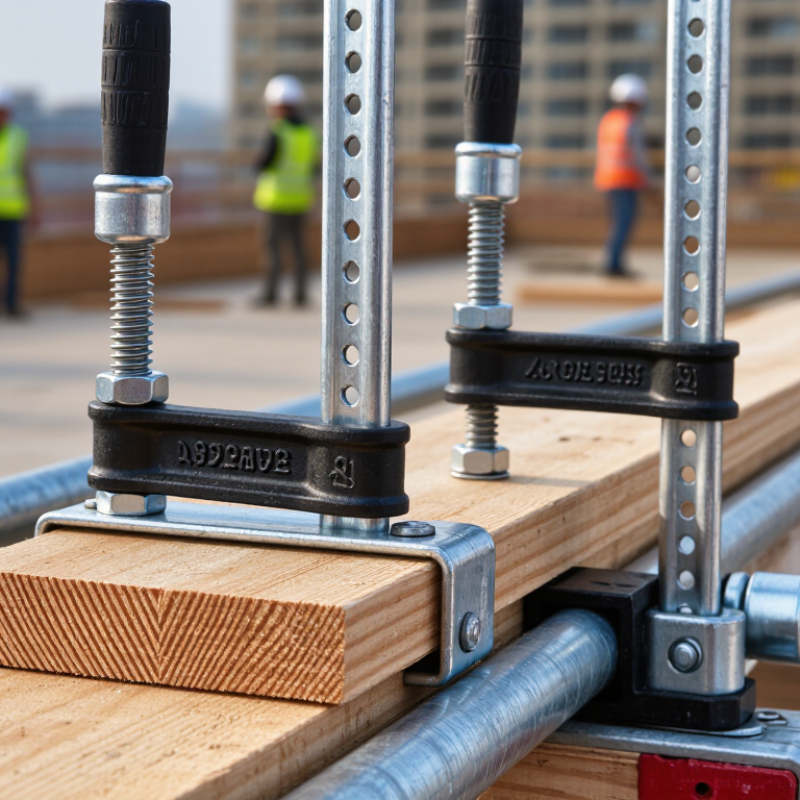
Scaffold plank clamps are mechanical fittings used to secure planks on a scaffold structure. They connect boards to supporting tubes, frames, or cross members. Unlike loose boards, clamped planks resist shifting during movement and routine work. A typical clamp includes a gripping body, bolts, nuts, and contact surfaces. When tightened correctly, these parts hold the plank firmly against its support. The purpose is simple. It helps create a more stable working platform. During site checks, I look for even contact between the clamp, plank, and supporting member. Small gaps can matter.
A clamp is not automatically safe because it looks strong. Its size must match the plank and scaffold components. Workers should inspect threads, bolt heads, welds, and contact edges before use. Rust, bent parts, or damaged threads can reduce gripping force. The supporting scaffold must also be level, adequately braced, and suitable for the intended load. I have seen clamps tightened too quickly, leaving one side loose. That mistake matters. Over-tightening may crush timber or damage the fitting. Under-tightening allows movement and vibration. Good practice follows the manufacturer’s technical instructions and applicable site requirements. It also respects the condition of the plank, not just the clamp. A clean, dry contact area usually provides more reliable engagement. The exact design varies, so fit and inspection should never be assumed.
How Do Scaffold Plank Clamps Work?
Scaffold plank clamps work by gripping the plank firmly against the scaffold support. Their jaws or plates create pressure around the board and transom. This friction helps prevent sideways movement, sliding, and accidental lifting. A properly fitted clamp keeps the walking surface stable when workers carry tools or shift their weight.
During installation, experienced scaffolders check the plank size, support spacing, and clamp compatibility. The fastener is tightened evenly, not forced with excessive torque. Uneven tightening can twist the fitting or damage the timber. The clamp should sit flat against a sound section of the plank. Dirt, cracks, and damaged edges can reduce its holding strength.
A practical inspection includes pushing the plank by hand and checking for visible gaps. Workers should also examine the clamp after weather changes, relocation, or heavy use. I have found that small looseness is easy to overlook during a busy shift. That assumption can become a serious weakness. Clamps are not a replacement for proper scaffold design, load calculations, or competent inspection. Their value comes from working with suitable planks and a correctly assembled scaffold system.
What Safety Benefits Do Scaffold Plank Clamps Provide?
Why Choose Scaffold Plank Clamps for Scaffolding?
What Safety Benefits Do Scaffold Plank Clamps Provide?
Scaffold plank clamps help keep boards seated and aligned on the supporting structure. They can reduce sideways movement, lifting, and accidental displacement during daily work. A stable platform gives workers more confidence when carrying tools or turning near an edge. That matters on busy sites. Experienced scaffold crews also use clamps to maintain consistent plank spacing and reduce unexpected gaps between boards.
The main safety benefit is improved platform security. Properly fitted clamps help prevent planks from sliding when workers walk, kneel, or place materials nearby. They may also limit movement caused by wind, vibration, or repeated foot traffic. This support can reduce trip hazards and help preserve an even working surface. However, clamps must match the plank system and supporting members. Their stated load capacity should never be guessed. Guardrails, toe boards, access routes, and competent inspections remain essential.
In practice, small details are easy to miss. A clamp installed at the wrong position may provide little protection. Dirt, corrosion, damaged threads, or incomplete tightening can weaken the connection. Site teams should check each clamp before use and after any scaffold alteration. They should also follow the applicable instructions and local safety requirements. Clamps are not a cure-all. Even experienced workers can overlook a loose fitting during a rushed inspection. That possibility deserves honest attention, especially before materials are loaded or weather conditions change.
How to Select and Install Scaffold Plank Clamps
Why Choose Scaffold Plank Clamps for Scaffolding?
How to Select and Install Scaffold Plank Clamps
Scaffold plank clamps help keep working planks aligned, restrained, and stable during daily site movement. They reduce sliding caused by vibration, uneven loading, or sudden weather changes. OSHA reports that about 2.3 million construction workers use scaffolds. Its safety guidance also links scaffolds with approximately 4,500 injuries and 50 deaths annually. These figures make small connection details worth serious attention.
Select clamps that match the plank width, bearer shape, and expected load. Check the marked working load limit, material strength, corrosion resistance, and locking method. The clamp should sit fully over the plank and supporting member. Before installation, inspect every plank for cracks, warping, oil, or damaged ends. Place clamps according to the scaffold system’s instructions. Tighten them evenly, without crushing timber or forcing misaligned parts. A loose clamp is obvious. An over-tightened one may quietly damage the plank. Never treat clamps as replacements for guardrails, proper bracing, or competent inspection.
Tips: Keep the manufacturer’s installation instructions on site. Mark rejected clamps immediately. After installation, push each plank by hand and check for movement. Reinspect after relocation, heavy loading, or severe weather. OSHA and local scaffold regulations may differ, so a competent person should confirm the final arrangement. I have seen tidy platforms fail basic checks because clamp spacing was guessed. That mistake is preventable.
What Maintenance and Compliance Practices Are Required?
Scaffold plank clamps help secure boards, but their reliability depends on disciplined maintenance. A loose clamp can shift when workers carry materials across a platform.
Maintenance starts before every shift. A competent inspector should check clamp bodies, threads, bolts, and contact surfaces. Look for cracks, distortion, heavy rust, damaged threads, or missing parts. Remove defective clamps from service immediately. Do not straighten bent components or mix unapproved parts.
Clean dirt and dried concrete from the gripping areas. Confirm that each clamp fits the specified plank size and scaffold tube. Tighten fasteners according to the manufacturer’s instructions, not by guesswork. Over-tightening may damage threads or crush timber. Under-tightening can allow movement. Both mistakes happen.
Compliance requires a documented inspection process. A competent person should verify platform width, plank condition, guardrails, access, and load limits. Requirements differ between jurisdictions, so the site must follow applicable regulations and project procedures. Workers need practical training on clamp placement, safe loading, and reporting defects. Keep inspection records with dates, findings, corrective actions, and the inspector’s name. Recheck the equipment after severe weather, impact, alteration, or extended storage.
Our checklist is not perfect. Site conditions can expose risks that paperwork misses. A clamp may appear clean while hiding thread wear inside its nut. That detail deserves a closer look.
Why Choose Scaffold Plank Clamps for Scaffolding?
Selected OSHA dimensional benchmarks supporting secure, compliant scaffold platforms
Scaffold plank clamps can help limit plank movement when they are compatible with the scaffold system and installed according to the manufacturer’s instructions. Under OSHA 29 CFR 1926.451, scaffold platforms must be fully planked, platform components must be inspected by a competent person before each work shift and after events that could affect structural integrity, and damaged or weakened components must be removed from service. The chart shows selected OSHA benchmarks in inches; always verify the applicable local regulations and project requirements.