Top 10 Textile Inspection Machine Benefits for Global Buyers?
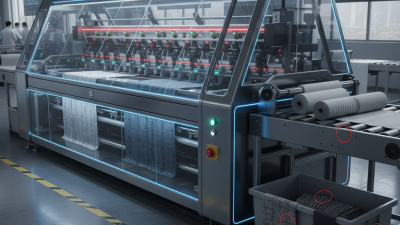
In the fast-paced textile industry, ensuring quality control is vital. A textile inspection machine plays a crucial role in achieving high standards. It detects flaws and ensures that products meet customer expectations. For global buyers, investing in a quality inspection machine can significantly enhance operations.
These machines offer numerous benefits, from improving efficiency to reducing waste. They help companies save time and money by identifying defects early. However, not every machine is suitable for every need. Buyers must carefully evaluate options to match their specific requirements. The landscape of textile manufacturing is complex. Understanding which features to prioritize can be challenging.
As demand for quality textiles grows, reliable inspection technology becomes essential. A textile inspection machine is more than just an asset; it's a partner in maintaining brand reputation. Each benefit must be weighed against cost and operational needs. This decision can shape the future of a company in the competitive textile market.
Key Advantages of Textile Inspection Machines for Buyers
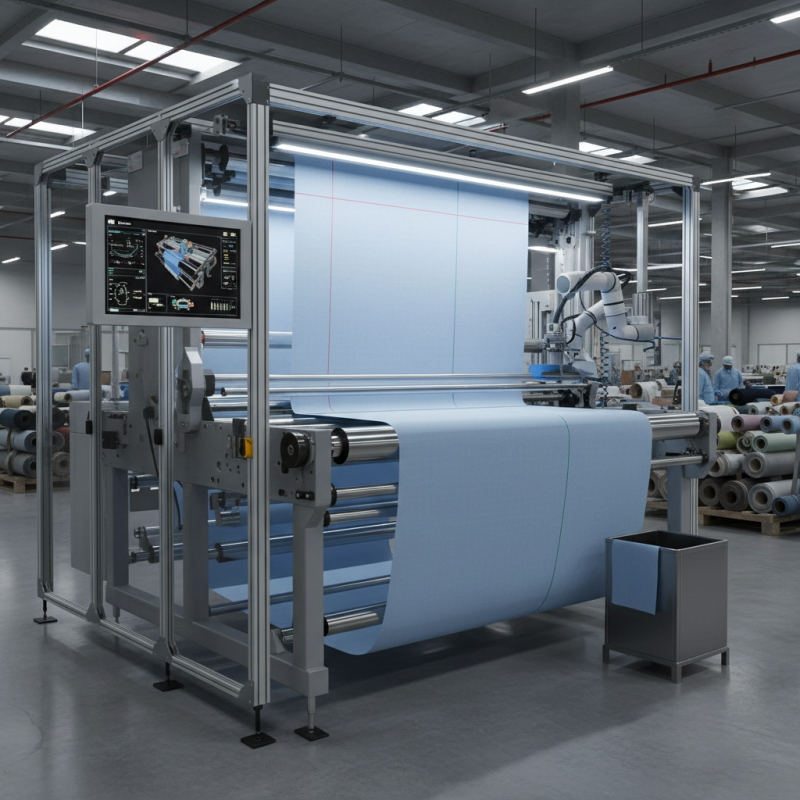
Textile inspection machines offer significant advantages for global buyers in the textile industry. One key benefit is enhanced quality control. According to industry reports, up to 20% of textiles can have defects that are invisible to the naked eye. Inspection machines detect these flaws, reducing the likelihood of costly rework and returns. By ensuring that only high-quality products reach customers, buyers can maintain brand reputation and customer satisfaction.
Another important aspect is increased efficiency. Automated inspection processes can perform tasks in a fraction of the time compared to manual checks. Research suggests that companies using these machines can improve their throughput by 30%. This allows buyers to meet tight production deadlines without compromising quality. Moreover, machine use reduces labor costs, as fewer workers are needed for inspections.
Despite these benefits, implementation can pose challenges. Many buyers may struggle with the integration of new technology into existing workflows. Additionally, there is a learning curve associated with operating sophisticated inspection machines. Companies must invest in training and ongoing support for staff to truly leverage the benefits. Balancing these challenges with the potential return on investment is crucial.
Enhanced Quality Control in Textile Production Processes
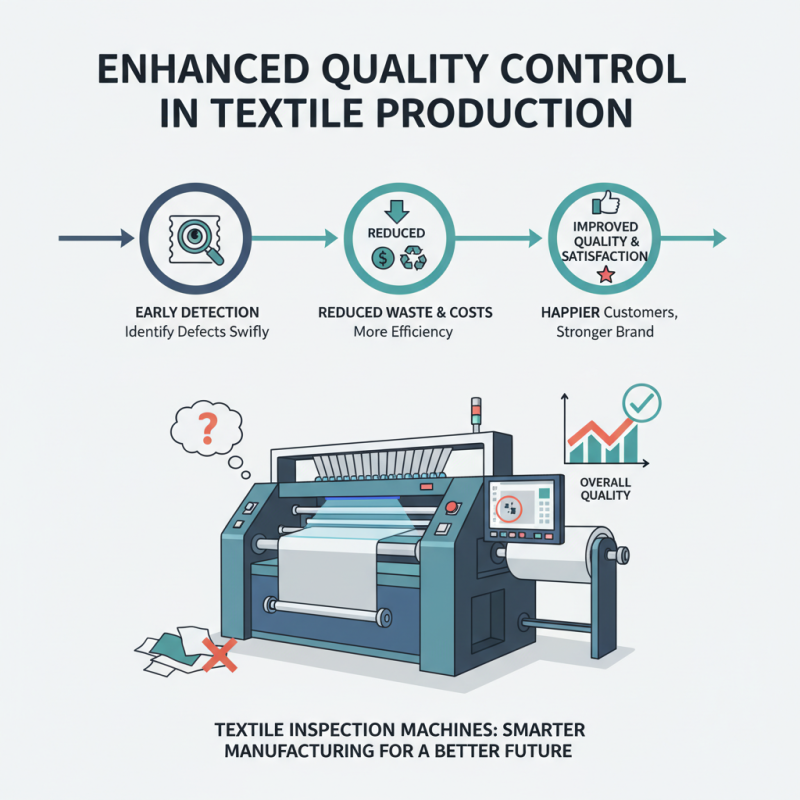
In the textile industry, quality control is paramount. With the increasing demand for high standards, textile inspection machines offer significant advantages. They help identify defects early in the production process, reducing waste. By addressing flaws swiftly, manufacturers enhance their overall quality. Improved detection saves costs and time, leading to better customer satisfaction.
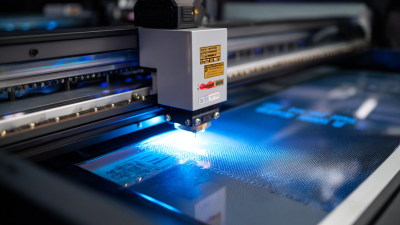
These machines use advanced technology to analyze fabrics thoroughly. This ensures every piece meets the required specifications. For example, automated systems can detect tiny inconsistencies that human inspectors might miss. However, reliance on machines can lead to challenges. Staff training is crucial to interpret results correctly. Without proper understanding, misdiagnosis of issues might occur.
Moreover, implementing these machines requires an upfront investment. This can be daunting for smaller manufacturers. Balancing technology and human oversight is essential. A fully automated process may overlook some nuances in textile quality. Striking a balance between machine efficiency and human judgment fosters more reliable outcomes.
Cost Efficiency and Reduced Waste with Automated Inspections
Automated textile inspection machines offer substantial cost efficiency and significantly reduce waste. By using advanced technology, these machines quickly detect defects in fabric. Faster inspections lead to faster production times. This efficiency helps manufacturers save on labor costs, while ensuring high-quality textile products.
Tips: Invest in reliable equipment that fits your production scale. Regular maintenance is essential to keep machines running efficiently. Consider training staff to use these machines effectively. A little investment in training goes a long way.
The precision of inspections prevents costly errors. Small defects, if overlooked, can lead to large financial losses. Automated systems minimize human error, providing more consistent results. However, it's important to question if machines can catch every flaw. Human inspectors, with their experience, might still offer insights that machines cannot.
Tips: Implement a hybrid approach. Blend human expertise with machine efficiency for optimal results. Regularly review inspection outcomes to ensure standards are maintained. Embracing both can enhance quality control processes significantly.
Time-Saving Benefits of Implementing Inspection Machines
The textile industry faces significant challenges in maintaining quality standards. Inspection machines can help streamline these processes. They provide rapid assessments, increasing throughput while reducing manual inspection times. According to a report by MarketsandMarkets, the textile inspection machine market is expected to grow significantly, reflecting a shift toward automation.
Implementing inspection machines leads to major time savings. They can analyze fabric quality in seconds compared to the hours needed for manual checks. This speeds up production cycles and enhances operational efficiency. A 2021 study by Statista indicated that 75% of manufacturers report reduced error rates after adopting automated inspection technologies. Yet, issues can arise. Not all machines deliver consistent accuracy, which necessitates ongoing calibration and training.
Businesses should consider initial setup times. Integration into existing workflows may require adjustments, leading to temporary disruptions. Despite these challenges, the long-term benefits often outweigh these temporary setbacks. Investing in inspection machines not only improves quality assurance but also fosters a more agile production environment. Overall, the time-saving potential can significantly uplift productivity levels in the textile sector.
Improved Compliance with Industry Standards and Regulations
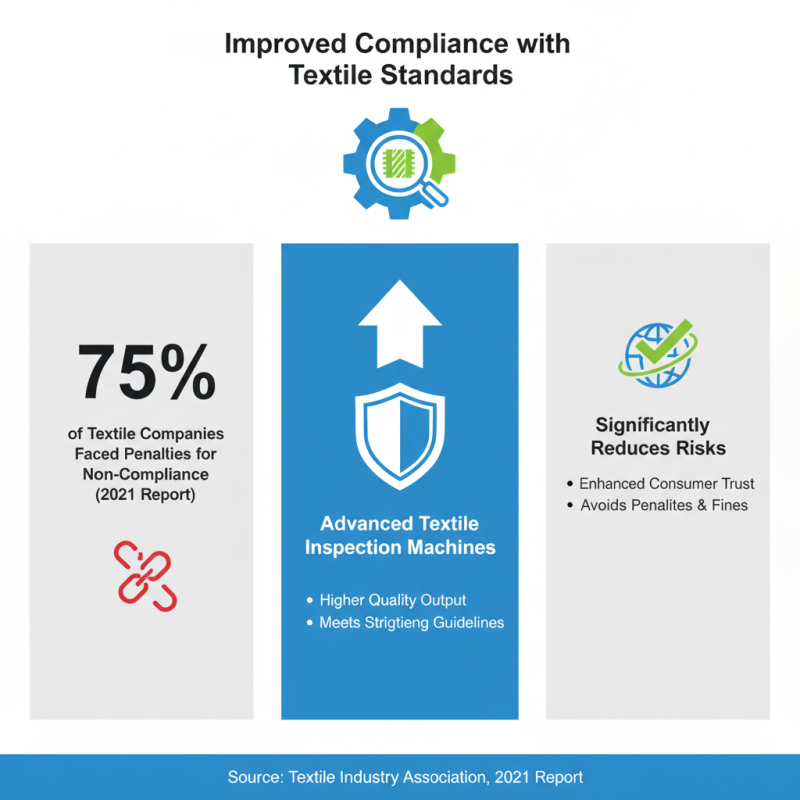
Textile inspection machines play a crucial role in enhancing compliance with industry standards and regulations. As global consumers demand higher quality, manufacturers are under pressure to meet stringent guidelines. According to a 2021 report from the Textile Industry Association, nearly 75% of textile companies faced penalties for non-compliance. Implementing advanced inspection machines can significantly reduce these risks.
These machines help to detect defects early in the manufacturing process. They are designed to assess fabric quality, durability, and safety. By identifying issues before products reach the market, companies can ensure that their textiles meet certifications such as ISO 9001. This not only minimizes financial losses but also enhances brand reputation.
**Tip:** Regularly calibrate your textile inspection machines. This ensures accurate readings and helps maintain compliance with evolving regulations.
Moreover, certain regions enforce strict compliance laws. For instance, the EU’s REACH regulation demands certain chemical assessments. Failure to comply can lead to costly recalls and legal consequences. Advanced inspection technologies simplify these processes, helping companies stay ahead.
**Tip:** Keep up with changes in industry standards. Regular updates to inspection protocols can save time and resources.
As the textile industry evolves, so does the need for compliance. Adopting sophisticated textile inspection machines is not just beneficial; it’s essential for success. Without them, companies face potential liabilities and consumer trust issues.