Top 10 Fabric Making Machines You Need to Know?
In the textile industry, understanding machinery is crucial. Fabric making machines play a pivotal role in production. According to recent market reports, the global fabric machinery market is projected to reach USD 23 billion by 2028. This highlights the importance of staying updated on the latest innovations.
Many manufacturers may overlook key technologies. Advanced fabric making machines can significantly enhance efficiency and reduce waste. In fact, the right machinery can improve production speed by 30%. However, not all machines boast the same capabilities. Some may lack crucial features that elevate performance.
Investing in appropriate machinery isn't just about cost. There’s a delicate balance between quality and budget. Selecting an outdated fabric making machine can hinder growth. The industry demands forward-thinking solutions. Continuous research is vital to adapt to evolving market needs.
The Evolution of Fabric Making Machines: A Historical Overview
The evolution of fabric making machines is a fascinating journey. In the early days, weaving was a labor-intensive process. Handlooms required skilled artisans who spent hours creating fabric. These machines were simple, yet required significant effort. The production was slow and output limited. This method, while unique, posed challenges in efficiency and consistency.
As technology progressed, innovations emerged. The invention of the power loom marked a significant turning point. This machine automated the weaving process, increasing speed and reducing labor costs. Factories began to sprout, utilizing these machines for mass production. However, the rapid shift to machine-made fabrics raised questions about quality and craftsmanship. Many artisans worried about losing their skills.
Today, fabric making machines continue to evolve. Advanced technology allows for intricate designs and patterns. Yet, the reliance on machines can sometimes compromise originality. Sustainability is now a pressing concern. The quest for eco-friendly methods reflects the need to balance innovation with responsibility. The journey of fabric making machines is ongoing, with lessons to learn from both the past and present.
Key Technologies in Fabric Production: Weaving vs. Knitting Machines
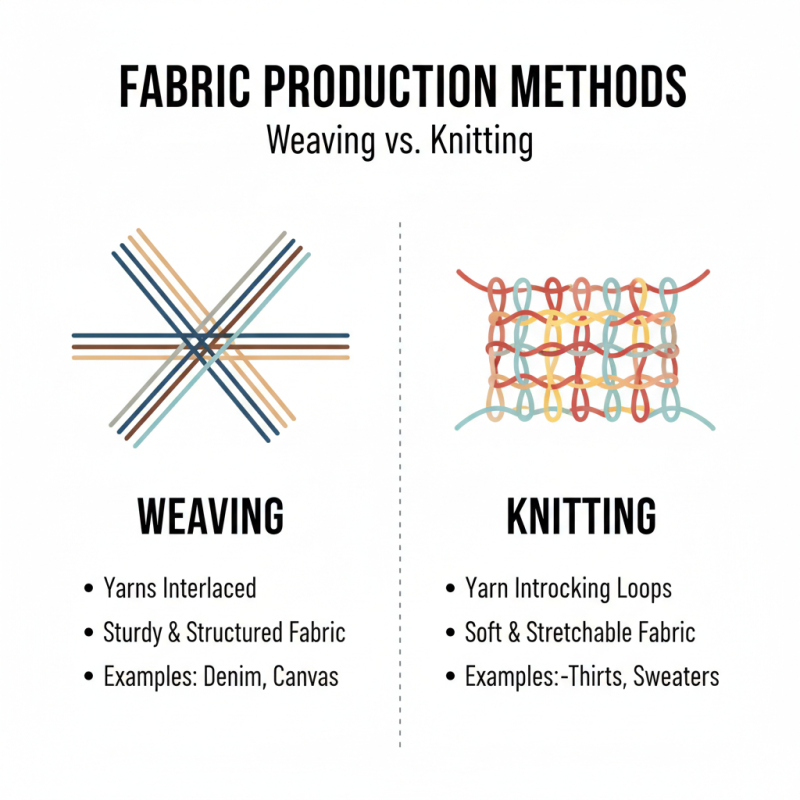
In the world of fabric production, weaving and knitting machines are essential. Each method creates unique textile properties. Weaving involves interlacing yarns, resulting in a sturdy and structured fabric. It is great for making denim or canvas materials. Knitting, on the other hand, creates fabric through interlocking loops of yarn. This method is often used for softer and stretchable textiles, like t-shirts and sweaters.
When choosing between these two technologies, consider the end use of the fabric. Weaving is often more durable, making it ideal for home furnishings or industrial textiles. Knitting produces fabrics that offer more comfort, perfect for casual wear. However, knitting machines can be less precise than weaving machines. This can affect the overall quality of the final product.
Tips: Always evaluate the intended use of the fabric. Test samples before full production to catch any flaws. Be aware that humidity and temperature can affect machine performance. Regular maintenance is crucial for both weaving and knitting machines. Proper care can prevent costly downtimes and ensure high-quality output.
Top 10 Fabric Making Machines: Features and Specifications Comparison
When exploring fabric making machines, understanding their features is essential. These machines vary in design and functionality. Some are efficient in weaving, while others excel in knitting. Basic functions include fabric formation, thread tension control, and speed capabilities. It is vital to consider material compatibility to ensure optimal performance.
Different machines come with unique specifications. A machine’s speed may range from a few hundred to thousands of stitches per minute. This affects productivity significantly. Additionally, the size of the machine impacts workspace requirements. Some models are compact, making them suitable for small operations. Others require dedicated areas due to their size and complexity.
Despite advancements, issues may still arise. Downtime for repairs can disrupt production. Many machines require regular maintenance, which can be a logistical challenge. Users often face a learning curve with new technology. This may slow the initial setup and integration process. Reflecting on these factors can lead to better decision-making when selecting a fabric making machine.
Top 10 Fabric Making Machines: Features and Specifications Comparison
| Machine Model |
Type |
Max Width (cm) |
Speed (m/min) |
Power (kW) |
Special Features |
| Model A |
Weaving |
180 |
200 |
15 |
Automatic Tension Control |
| Model B |
Knitting |
150 |
180 |
12 |
Digital Display |
| Model C |
Non-woven |
200 |
220 |
18 |
Eco-friendly Materials |
| Model D |
Embroidery |
130 |
150 |
10 |
Multiple Color Options |
| Model E |
Spinning |
160 |
175 |
14 |
Low Noise Operation |
| Model F |
Cutting |
140 |
160 |
11 |
Precision Cutting System |
| Model G |
Loom |
190 |
210 |
16 |
Quick Setup |
| Model H |
Felt |
170 |
185 |
13 |
High Efficiency |
| Model I |
Printing |
140 |
170 |
12 |
Vibrant Color Printing |
| Model J |
Heat Setting |
200 |
220 |
17 |
Energy Saving |
Industry Impact: How Fabric Machines Influence Manufacturing Efficiency
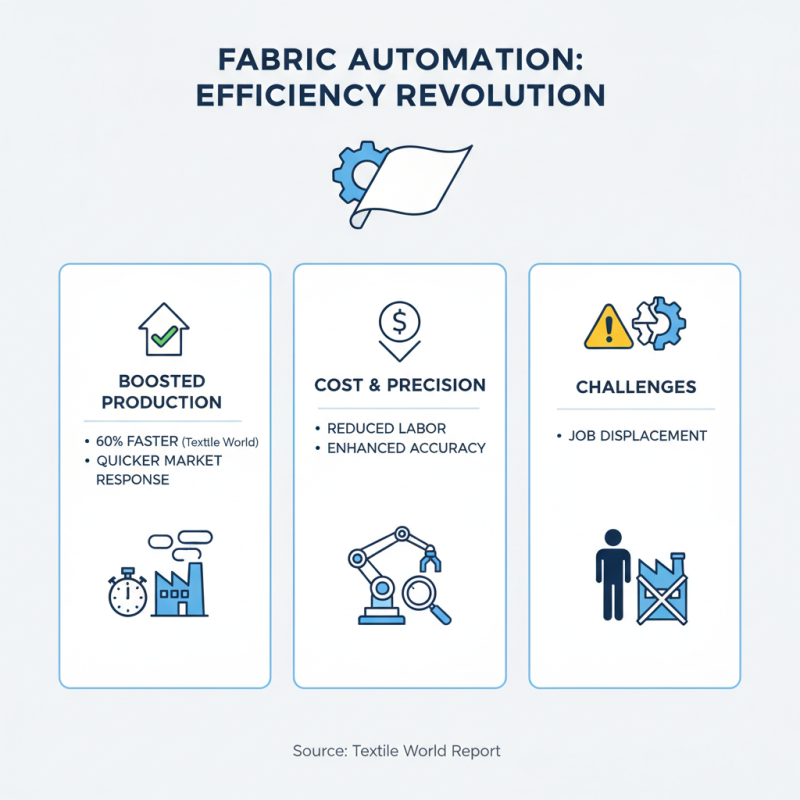
The impact of fabric-making machines on manufacturing efficiency is profound. Modern machines streamline production, reduce labor costs, and enhance precision. According to a report from the Textile World, automation can increase production rates by up to 60%. This efficiency shift allows manufacturers to respond faster to market demands. However, this shift can also lead to job losses in some sectors.
Advanced fabric machines, like computerized looms and knitting machines, simplify complex patterns. As a result, they minimize fabric waste, improving sustainability. A study by the International Textile Institute highlights that up to 30% of raw materials can be saved through modernized processes. Yet, reliance on technology raises questions. Will smaller businesses be left behind? The challenge remains to balance efficiency with human employment.
In the quest for optimal manufacturing, companies must reflect on the ethical implications of relying heavily on automation. While the benefits are clear, the potential downsides should not be overlooked. Finding innovative ways to integrate technology without compromising human jobs is crucial for a balanced future in fabric manufacturing.
Future Trends in Fabric Making: Innovation and Sustainability in Machines
Sustainability is shaping the future of fabric making machines. According to a recent industry report, 62% of manufacturers focus on eco-friendly production methods. This trend reflects a growing consumer demand for sustainable choices. Innovations such as energy-efficient machines and biodegradable materials are key players in this transition.
Investments in technology are vital. Smart machines equipped with AI can minimize waste and enhance productivity. Reports suggest that businesses utilizing automated processes can reduce fabric waste by up to 20%. These machines also improve precision, leading to higher quality fabric outputs. Data indicates a potential decrease in energy consumption by 30% with these advancements.
Tips: Always assess machine lifecycle impacts. Consider both energy use and material waste. Collaborate with suppliers who prioritize sustainability for long-term benefits. Regular training on these technologies is crucial to stay updated. Embracing changes in fabric manufacturing is necessary, but challenges remain. Implementing new systems requires time and significant resources. Industry players should carefully navigate these complexities, focusing on innovation while addressing ecological concerns.
Top 10 Fabric Making Machines: Innovation and Sustainability Trends
This bar chart illustrates the efficiency ratings of the top 10 fabric making machines, ranging across various processes such as weaving, knitting, and dyeing. These ratings reflect the innovations and sustainable practices taking shape in the fabric production industry.