What is a Fabric Laser Cutting Machine at the 139th Canton Fair?
The 139th Canton Fair, scheduled for April and May 2026, will showcase innovative technologies, including the fabric laser cutting machine. This advanced tool has changed the textile industry, enabling precise and efficient cutting. Its popularity is evident among manufacturers seeking to enhance production speed and quality.
At the fair, attendees can explore various applications of fabric laser cutting machines. From fashion design to large-scale manufacturing, these machines offer versatility. However, potential buyers must critically assess their needs versus the machine's capabilities. It's important to remember that not every model will fit every business.
The introduction of AI-powered features at the Canton Fair aids in navigating this vast event. Buyers can filter suppliers effectively, focusing on those with certifications like ISO or CE. This advancement can significantly impact how companies select their machinery. Yet, one must remain vigilant about the long-term value and support offered by suppliers.
What is a Fabric Laser Cutting Machine?
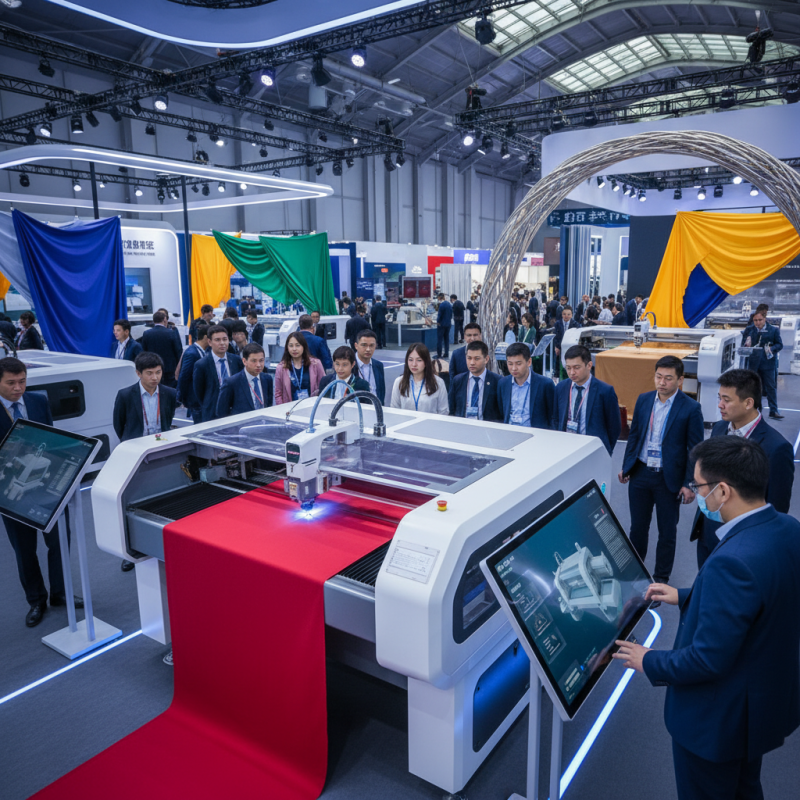
A fabric laser cutting machine is a remarkable tool in the textile industry. It utilizes a high-powered laser to cut through various materials with precision. The machine is capable of handling a multitude of fabrics, including cotton, polyester, and blended materials. According to a recent industry report, the global laser cutting machine market is expected to reach USD 5.5 billion by 2025, reflecting its increasing adoption among manufacturers.
The appeal of this technology lies in its efficiency. Laser cutting minimizes fabric wastage, allowing manufacturers to improve their yield. With less than 5% waste reported, it significantly reduces overhead costs. Furthermore, the laser provides high-quality cuts that require minimal finishing. However, some challenges remain. The initial investment can be high, and there is a learning curve for operators. Not all organizations might be ready to adapt to this advanced technology.
As the 139th Canton Fair showcased, fabric laser cutting machines are evolving. Features like automation and software integration are enhancing capabilities. However, industry experts warn that without proper training, the potential of these machines may not be fully realized. Organizations must balance innovation with skill development to truly benefit from this technology. The future could be bright, but success requires careful consideration and adaptation.
Key Features of Fabric Laser Cutting Machines
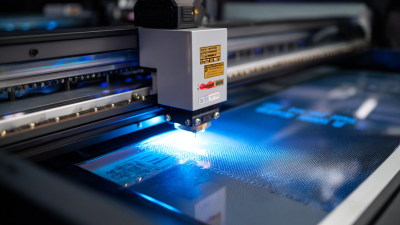
At the 139th Canton Fair, the spotlight shines on fabric laser cutting machines. These innovative devices offer precision cutting with unparalleled speed. They utilize advanced laser technology to slice through fabric, ensuring clean and accurate edges. Users often appreciate the high level of detail achieved in intricate designs. This means less fabric waste and better cost-effectiveness.
One key feature is the computer numerical control (CNC) system. It allows for automated cutting patterns, reducing manual errors. Operators can easily input designs through software. Additionally, the machines support various fabric types, from cotton to synthetic blends. However, operators sometimes face challenges in adjusting settings for different materials. This can lead to inconsistent results if not managed carefully.
Safety features are also noteworthy. They include automatic shut-off systems to prevent overheating. Nevertheless, training staff on proper operation remains essential. Without this, the full potential of the machine may not be realized. The evolving technology in fabric laser cutting machines inspires excitement, but it also calls for continuous learning and adaptation in the industry.
Key Features of Fabric Laser Cutting Machines
Market Trends in Fabric Laser Cutting Technology
The 139th Canton Fair showcased advanced fabric laser cutting machines, highlighting significant market trends. The demand for precision and efficiency in fabric production is rising. In 2022, the global fabric laser cutting market was valued at approximately $2 billion and is expected to grow at a CAGR of 10% through 2028. This growth reflects the shift towards automation and reduced manual labor in fabric processing.
Fabric laser cutting technology is redefining the textile industry. Traditional cutting methods often result in increased waste and inconsistent results. In contrast, laser cutting minimizes fabric wastage and ensures clean edges. Reports suggest that businesses using laser technology achieve up to 30% more fabric efficiency. This transition also aligns with sustainability goals in the industry. Companies are being pushed to adopt greener, less wasteful practices.
Tips: When considering laser cutting solutions, assess your fabric types carefully. Not all fabrics respond equally to laser cutting. Testing a small sample before committing can save time and resources. Evaluate your production scale; it may affect the cost-effectiveness of the investment. The technology has great potential, but adapting to its intricacies requires time and testing.
What is a Fabric Laser Cutting Machine at the 139th Canton Fair? - Market Trends in Fabric Laser Cutting Technology
| Feature |
Description |
Market Trend |
Price Range (USD) |
| Cutting Speed |
High-speed cutting capabilities, significantly faster than traditional methods. |
Growing demand for faster production. |
$10,000 - $50,000 |
| Precision |
High precision cuts with minimal material waste. |
Increased emphasis on sustainability and efficiency. |
$15,000 - $60,000 |
| Material Versatility |
Can cut various fabrics such as cotton, polyester, and leather. |
Increasing fabric variety being processed. |
$12,000 - $45,000 |
| Software Integration |
Compatible software for design and optimization of cuts. |
Rise in smart manufacturing solutions. |
$8,000 - $40,000 |
| Safety Features |
Implemented safety mechanisms to protect operators. |
Growing importance of workplace safety standards. |
$10,000 - $55,000 |
Applications of Fabric Laser Cutting in Various Industries
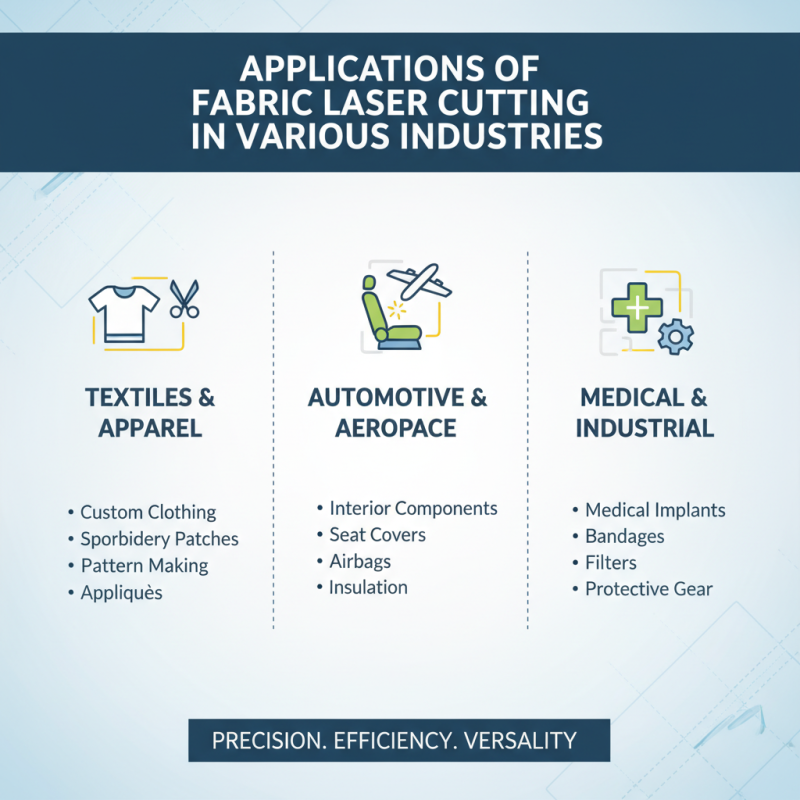
Laser cutting is revolutionizing many industries. It offers precision and efficiency. In textiles, its applications are particularly notable.
In fashion and apparel, laser cutting allows intricate designs. It can create unique patterns quickly. This technique reduces fabric waste. Accuracy is key, especially in high-end garments. However, the initial setup can be challenging and requires careful planning.
In the automotive sector, fabric laser cutting is used for seat covers and interior trims. It ensures exact measurements, leading to better fitting components. This not only enhances aesthetics but also improves durability. Yet, there can be a learning curve when integrating this technology.
Tips: Test different materials. Not all fabrics react the same way to laser cutting. Monitor heat settings. Too much can damage your material. Keep a log of your settings for future reference.
Advantages of Using Laser Cutting Over Traditional Methods
Laser cutting technology has revolutionized the fabric industry. Compared to traditional cutting methods, laser cutting offers precision that is hard to match. A report from the International Journal of Advanced Manufacturing Technology indicates that laser cutting can achieve a cutting accuracy of ±0.1mm. This level of precision minimizes material waste, enhancing overall efficiency.
Moreover, the versatility of laser cutting stands out. It can effortlessly cut through various fabrics, from cotton to synthetics, without fraying edges. This adaptability allows manufacturers to offer a diverse range of products. According to a survey by the Fabricators and Manufacturers Association, 78% of companies using laser cutting reported faster turnaround times. This speed translates to better customer satisfaction and increased order capacity.
However, the initial investment for laser cutting machines may deter some businesses. The technology can be expensive to implement and maintain. Additionally, operators require specialized training to handle these advanced machines correctly. While the operational costs can be lower over time, the upfront costs and training hurdles need careful consideration. Companies must weigh the long-term benefits against these challenges to see if laser cutting fits their operational needs.