
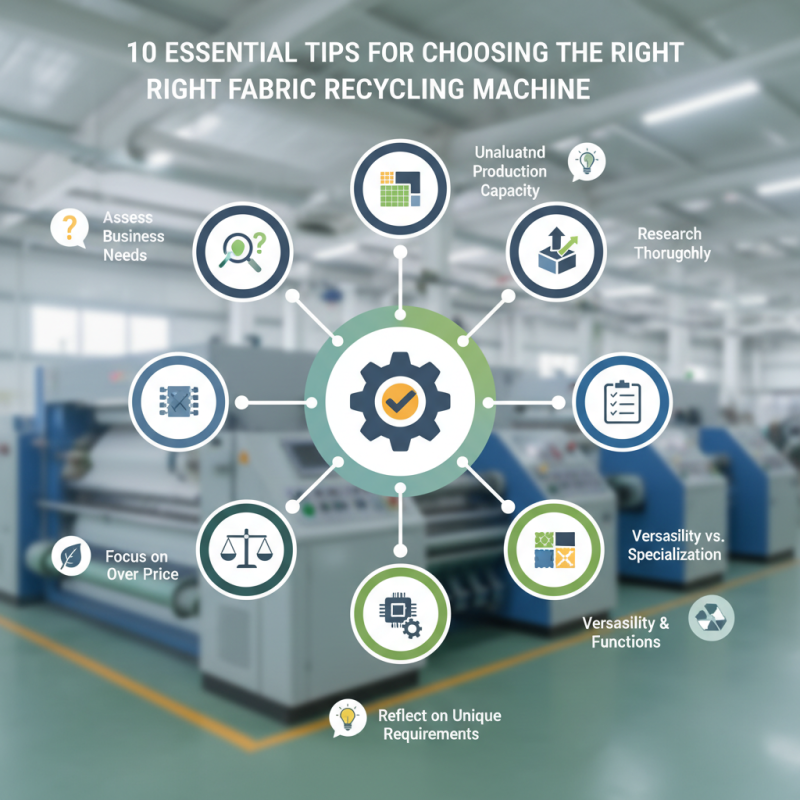
10 Essential Tips for Choosing the Right Fabric Recycling Machine
In today's world, the urgency for sustainable practices is crucial. The fabric recycling machine industry is at the forefront of this movement. Expert David Green, a leading figure in fabric recycling technology, once stated, "Choosing the right fabric recycling machine can make or break your sustainability efforts." This highlights the importance of making informed decisions.
Selecting the appropriate machine isn’t just about efficiency. It's about understanding your business needs, material types, and production capacity. Many companies rush into purchases without thorough research, leading to costly mistakes. The wrong machine can hinder operations and waste resources.
Focusing on quality and suitability over price can provide long-term benefits. Machines vary widely in technology and functions. Some may handle various fabrics, while others specialize. Buyers must assess their goals and environmental impact. There’s no 'one-size-fits-all' solution in the fabric recycling machine market. Organizations need to reflect on their unique requirements before investing.
Understanding the Different Types of Fabric Recycling Machines
When it comes to fabric recycling machines, understanding the different types is crucial. There are primarily three categories: mechanical, chemical, and thermal. Mechanical machines shred fabric into smaller pieces. They are often used for textile waste recycling. However, they can be limiting. Sometimes, smaller fabric pieces may not be effectively processed.
Chemical recycling machines offer a higher level of processing. They break down fibers at the molecular level, creating new raw materials. Data indicates these methods can recycle up to 90% of the original fabric. This efficiency is appealing, yet the cost of these machines is higher. Consider whether your operation can absorb these expenses.
Thermal recycling uses heat to convert fabric to energy. This method is less about reusing fibers, and more about energy recovery. While it offers an alternative, some waste may still end up in landfills. Choose wisely based on your environmental goals.
Tip: Assess your fabric waste type before selecting a machine. Remember, not all machines suit every type of textile. If possible, visit facilities using the machines you consider. See them in action to gather insights.
10 Essential Tips for Choosing the Right Fabric Recycling Machine
| Tip | Description | Type of Machine | Recommended Use |
|---|---|---|---|
| 1. Know Your Material | Understand the types of fabrics you will be recycling. | Shredders | Ideal for mixed fabrics |
| 2. Check Capacity | Choose a machine that meets your volume needs. | Compactors | Best for high-volume operations |
| 3. Assess Power Usage | Energy-efficient machines save costs. | Automated Systems | Suitable for continuous operations |
| 4. Maintenance Requirements | Choose machines that are easy to maintain. | Pre-shredders | Reduce downtime with less maintenance |
| 5. Safety Features | Ensure the machine has necessary safety protocols. | Dust Extractors | Protect workers from fabric dust |
| 6. User-Friendly Interface | Select machines with intuitive controls. | Sorting Machines | Increase efficiency in sorting |
| 7. Price and Budget | Set a budget and find machines within that range. | Baler Machines | Cost-effective for compacting material |
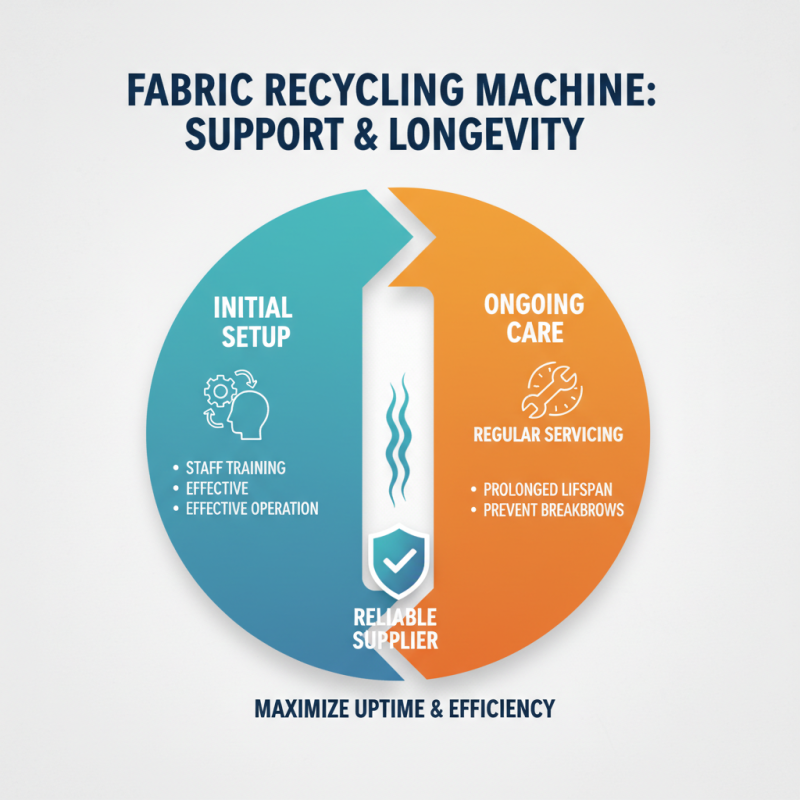
| 8. Warranty and Support | Inspect warranty options and customer support. | Granulators | Support for granular output |
| 9. Space Considerations | Choose machines that fit your facility's space. | Portable Units | Great for limited space environments |
| 10. Reviews and Recommendations | Look for user feedback and reviews. | Industrial Shredders | Heavy-duty with proven performance |
Related Posts
-
How to Effectively Use Textile Waste Recycling Machine for Sustainable Practices
-
Top 10 Best Weaving Machines for Efficient Textile Production
-
Top 10 Tips for Choosing the Right Fabric Printing Machine for Your Business
-

Top 10 Fabric Printing Machines for High Quality Custom Designs
-
Top 10 Carding Machine Innovations You Should Know About?
-
Top 5 Fabric Weaving Machines: Revolutionize Your Textile Production Today!