Top Tips for Choosing the Best Package Bags for Your Business?
Choosing the right Package Bags is crucial for any business. The right bags enhance brand visibility and improve customer experience. However, selecting the best package bags can be overwhelming. There are countless options available, and each type serves different purposes.
Consider your product's size, weight, and style. The right bag should protect your items and reflect your brand's image. Are you focusing on sustainability? Eco-friendly materials could be a factor in your decision-making process. On the other hand, if you need durability, explore options that offer strength and reliability.
Additionally, think about your target audience. What materials and designs appeal to them? Remember, the perfect package bags can make a lasting impression. However, not every choice will resonate with your brand values or customer needs. This often requires self-reflection and adjustments. Take the time to evaluate your current packaging strategies. Ultimately, the right package bags contribute to your overall business success.
Understanding Different Types of Packaging Bags: A Comprehensive Guide
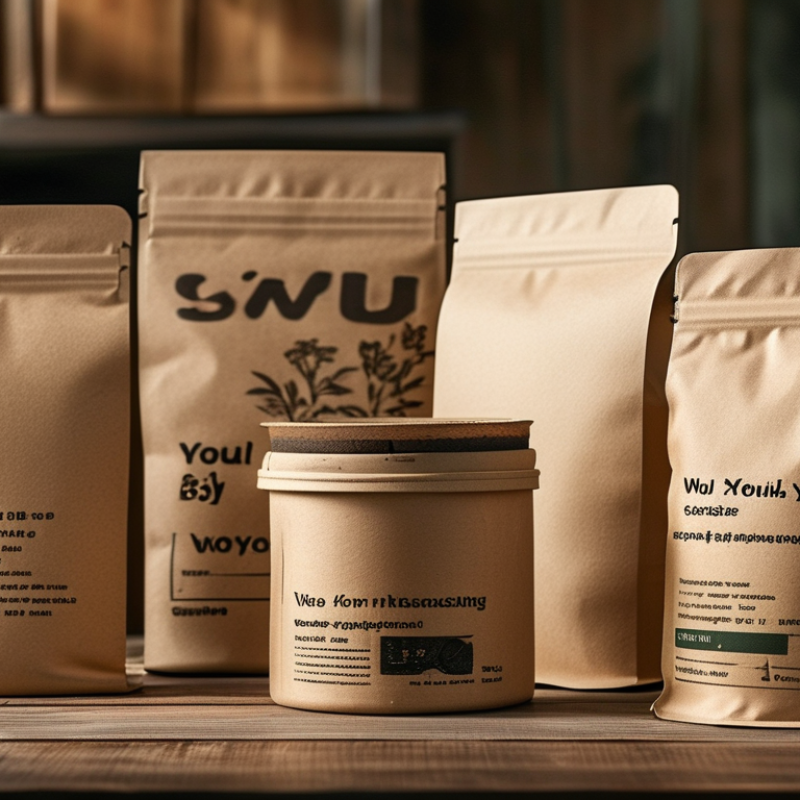
Choosing the right packaging bags for your business is essential. Numerous options exist, each serving different needs. Understanding the types of packaging bags available can lead to better decisions. For example, plastic bags are lightweight and cost-effective. They work well for various products but might lack durability.
On the other hand, paper bags offer a more eco-friendly option. They can be sturdy but are often more expensive.
It’s important to consider your brand image. If you focus on sustainability, biodegradable bags may appeal to your customers. They are growing in popularity, but prices can vary significantly. Additionally, think about the size and shape of the bags. Custom sizes can optimize your packaging, reducing waste and enhancing product safety. However, customization may involve higher upfront costs.
Don’t overlook the importance of clarity in branding. A poorly chosen bag can detract from your business's professional image. Investing time in selecting the right packaging can have a lasting impact. Mistakes in bag choice can compromise product presentation. Therefore, assessing your options thoroughly is crucial.
Evaluating Material Options: Eco-friendly vs. Conventional Packaging Solutions
When selecting packaging materials for your business, the debate between eco-friendly and conventional options is pivotal. A study by the Ellen MacArthur Foundation reveals that shifting to sustainable packaging could reduce greenhouse gas emissions by 70% by 2030. Biodegradable materials, like plant-based plastics, offer a potential alternative that decomposes in a matter of months. However, the challenge lies in sourcing these materials at a competitive price point.
Consumers increasingly prefer brands that prioritize sustainability. According to a recent survey by Nielsen, 73% of global consumers would change their consumption habits to reduce their environmental impact. This shift places pressure on businesses to evaluate their packaging choices seriously. Yet, while eco-friendly materials appeal to consumers, they may sometimes fall short in durability or shelf life compared to conventional plastics. Many businesses face dilemmas about balancing environmental benefits with practical needs.
Moreover, the transition to eco-friendly packaging involves challenges such as cost and availability. Packaging made from recycled materials often incurs higher initial expenses, which may dissuade some companies. However, investing in sustainable packaging is not solely an ethical decision; it can also enhance brand loyalty and differentiate a business in competitive markets. As organizations navigate these complexities, ongoing research and development are crucial to refining packaging solutions that fully integrate sustainability without sacrificing performance.
Cost Analysis: Balancing Quality and Budget for Package Bags
When choosing package bags for your business, cost analysis is crucial. Quality packaging can influence your brand's reputation. A study found that 72% of consumers value packaging. The right balance between quality and budget can enhance customer experience.
Consider material options carefully. Eco-friendly materials often cost more, but can attract environmentally-conscious consumers. Research indicates that 66% of shoppers prefer sustainable packaging. This investment can lead to repeat purchases.
Explore bulk buying options to reduce costs. Many suppliers offer discounts for larger orders, which can lower your overall spending. Analyze your budget to understand how much you can allocate. Quality does have a price, but often, the cheapest option may not provide the durability your products need.
Make informed choices. Test various bags with your products. See if they can withstand shipping. Assess how they align with your brand image and customer expectations. The feedback you gather can be valuable for future decisions. Balancing these factors takes time and thoughtful consideration.
The Role of Customization: Enhancing Brand Identity through Packaging
Packaging plays a crucial role in shaping your brand's identity. Customization allows businesses to express personality through unique designs, colors, and textures. Tailored packaging creates a memorable experience for your customers, making them feel valued. A strong visual appeal not only attracts attention but also fosters brand loyalty.
When considering package bags, think about the materials you choose. Different materials convey different messages about your brand. For example, eco-friendly options signal sustainability. This choice can enhance your brand’s reputation among environmentally conscious consumers. Pay attention to the size and shape as well. A perfect fit can elevate the unboxing experience.
Personalization goes beyond just looks. Think about custom prints or messages that resonate with your audience. Adding a personal touch can make customers feel connected. Simplicity is also critical. Don’t overcrowd the design with information. Allow space for essential details while maintaining an aesthetic appeal. Reflect on who your customers are and what they value most in packaging. Your choices should resonate with their expectations.
Regulatory Compliance: Ensuring Your Packaging Meets Industry Standards
When choosing packaging for your business, regulatory compliance is crucial. Each industry has specific standards to follow. For example, food packaging must meet safety regulations to protect consumers. Habitually, businesses overlook these requirements, leading to costly penalties and brand damage.
Familiarizing yourself with local regulations is essential. Packaging materials must be tested and certified for safety and environmental impact. Consider eco-friendly options that comply with sustainability standards. This choice not only meets regulations but also resonates with eco-conscious consumers. Often, companies underestimate the value of compliance in fostering trust and loyalty.
It’s important to stay updated on regulations. Changes can occur due to new research or shifts in public sentiment. Regular training for staff on compliance can help identify potential issues early. Discovering flaws late in the packaging process can be a frustrating and costly oversight. A proactive approach saves time and resources in the long run.
Packaging Compliance Analysis for Businesses