How to Choose a Mechanical Seal for Water Pump in 2026?
Choosing the right Mechanical Seal For Water Pump in 2026 requires more than matching a shaft diameter. A seal may look suitable on paper, yet fail after weeks of vibration, dry running, or poor alignment. Water quality also matters. Clean cooling water behaves differently from abrasive wastewater containing sand, fibers, or chemicals.
This guide explains the practical factors professionals check before selecting a seal. These include pump speed, operating pressure, temperature, shaft size, fluid composition, and installation space. Material pairing deserves careful attention. Carbon, ceramic, silicon carbide, and stainless steel each perform differently under changing conditions. Elastomer selection is equally important, especially when chlorine, glycol, or treated water is present.
Small details often decide service life. A scratched shaft sleeve can damage a new seal quickly. Excessive spring tension may increase friction and heat. Poor flushing can leave deposits around the sealing faces. No seal lasts forever.
Reliable selection combines field experience, manufacturer data, and accurate pump records. Industry specifications can guide compatibility, but actual operating conditions should control the final decision. A cheaper seal may reduce initial costs while increasing leakage, downtime, and replacement labor. That trade-off is easy to overlook.
The sections ahead compare common seal designs, materials, failure causes, and application requirements for modern water pumps. They also address inspection and installation practices. Some recommendations may need adjustment for unusual systems. That is the honest limitation. A careful choice is not simply the most expensive option; it is the seal that fits the pump, fluid, and maintenance reality.
Mechanical Seal Basics for Water Pump Applications
How to Choose a Mechanical Seal for Water Pump in 2026?
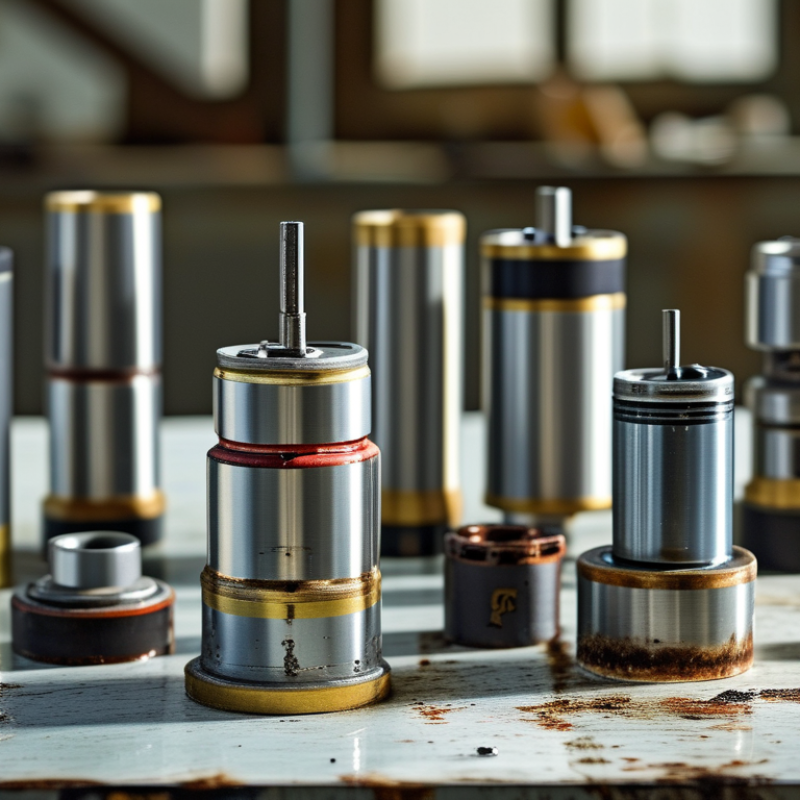
A mechanical seal prevents water from escaping along the pump shaft. Its basic structure includes a rotating face, stationary face, spring, and elastomer. A thin water film separates the faces during operation. Without that film, friction quickly creates heat, scoring, and leakage. The U.S. Department of Energy reports that pumping systems can consume 25% to 50% of industrial electricity. Small seal losses can therefore accompany large operational costs.
Selection starts with the actual service conditions, not the pump nameplate alone. Check water temperature, pressure, shaft speed, pH, suspended solids, and startup frequency. Clean, cool water may suit carbon and ceramic faces with an EPDM elastomer. Hot water or chemical treatment may require stronger face materials and a different elastomer. Chlorides deserve attention. They can attack metal components quietly. ISO 3069 and EN 12756 provide useful dimensional and design references, while API 682 offers broader seal selection principles for demanding services.
Fit matters greatly. Measure the shaft sleeve, inspect runout, and confirm the seal chamber depth. Never touch polished faces with bare, oily fingers. A tiny scratch can become a visible leak. The European Commission’s pump efficiency studies connect poor maintenance with avoidable energy waste, although seal failures are not always isolated in the data. That limitation matters. A seal may be blamed when misalignment, dry running, or cavitation caused the damage. Installation records and failure photos often reveal more than a catalog description.
Identify Pump Conditions and Operating Requirements
How to Choose a Mechanical Seal for Water Pump in 2026?
Identify Pump Conditions and Operating Requirements
Start with the water, not the seal catalog. Record temperature, pressure, pH, conductivity, and suspended particles. Clean water behaves differently from cooling water containing rust, sand, or treatment chemicals. Small particles can score sealing faces within weeks.
Check the pump’s speed, shaft diameter, rotation, and expected operating hours. Note startup frequency and possible dry-running periods. A pump serving a storage tank may run intermittently, while a circulation pump can operate continuously. These differences affect face materials, elastomers, spring design, and lubrication needs. Measure pressure near the seal chamber, not only at the discharge gauge. The actual value may be higher during restricted flow.
Inspect the installation environment carefully. Excessive shaft movement, poor alignment, vibration, and uneven pipe loading can damage even a correctly selected seal. Ask whether the pump handles hot water, abrasive particles, or sudden temperature changes. Consider maintenance access as well. A technically excellent seal becomes impractical if technicians cannot install it accurately.
One common mistake is treating “water service” as one application. It is not. Field troubleshooting often reveals an overlooked detail, such as a brief dry start after tank maintenance. That short event may explain repeated failures. Selection should match the worst realistic condition, while avoiding unnecessary materials or complexity. Review operating records, inspect failed components, and question assumptions before approving the final seal specification.
Match Seal Materials to Water Quality and Temperature
How to Choose a Mechanical Seal for Water Pump in 2026?
Water quality should guide seal selection, not habit. The U.S. EPA lists pH 6.5–8.5, chloride below 250 mg/L, and sulfate below 250 mg/L as secondary drinking-water standards. These values are not universal design limits, but they offer useful screening points. Chloride-rich water can attack stainless steel components, especially when temperature rises. In such conditions, silicon carbide faces and corrosion-resistant metal parts may provide better protection than basic carbon components.
Temperature changes the chemical risk. EPDM suits many clean-water systems and handles hot water well within its approved range. FKM can perform better with oils and some chemicals, but it may be unsuitable for certain hot-water services. PTFE offers broad chemical resistance, yet it can deform under poor installation or pressure cycling. Always compare the manufacturer’s temperature, pressure, speed, and chemical limits with real operating data.
A pump room often tells the truth. White deposits, rusty springs, or hardened elastomers deserve investigation. The NACE IMPACT study estimated global corrosion costs at about 3.4% of GDP, showing why small material decisions matter. Still, water analysis is sometimes incomplete. That is a weakness. Test conductivity, chloride, hardness, pH, and temperature near the pump, not only at the treatment plant. A seal that works in cold, clean water may fail quickly in warm, abrasive, or chemically dosed service.
Select the Right Seal Design and Size
Choosing a mechanical seal for a water pump starts with the seal design, not only the shaft diameter. A single seal suits many clean-water systems with moderate temperature and pressure. A balanced design can reduce face loading in higher-pressure service. For dirty, abrasive, or chemically treated water, consider a stronger face combination and suitable elastomers. Confirm the pump’s rotation, operating temperature, pressure, and speed before deciding.
Size must match the original seal and the pump chamber. Measure the shaft diameter, stationary seat diameter, seal height, and available installation space. Check the spring direction and rotating face position. Even a small mismatch can cause leakage, vibration, or premature face wear. Ceramic, carbon, and silicon carbide faces behave differently. Water quality matters. Hard particles can damage smooth sealing faces quickly.
Tips: Record real operating conditions, not only catalog values. Check pressure during startup and shutdown. Keep a sample seal for comparison. I once trusted a listed shaft size and missed a seat-depth difference. It fitted, but not well. Recheck drawings, tolerances, and face materials with a qualified technician. A practical test installation is useful when the pump has been modified or repaired repeatedly.
Verify Installation, Compatibility, and Maintenance Needs
How to Choose a Mechanical Seal for Water Pump in 2026?
Verify Installation, Compatibility, and Maintenance Needs
A mechanical seal should match the pump’s shaft, seat, pressure, temperature, and water chemistry. Do not select by diameter alone. During field inspections, I check the shaft sleeve for scoring, rust, and uneven wear. Even a new seal can fail against a damaged surface. Confirm the seal chamber dimensions with the pump drawing. Measure them when possible. Drawings can be outdated.
Installation quality often decides service life. Clean the shaft with a lint-free cloth before fitting the seal. Never force the rotating face over a sharp keyway. Use the specified lubricant, but keep it away from incompatible elastomers. Align the pump and motor carefully. Excessive vibration may indicate soft foot, bearing wear, or poor piping support. I have seen correct seals fail because the pipe pulled the pump sideways. That mistake is easy to miss.
Tips: Record the fluid temperature and pressure during operation. Check elastomer compatibility with treated water, additives, and cleaning chemicals. Inspect faces for chips before assembly. Start the pump with adequate liquid circulation. Dry running is brief, but damaging. Plan inspections around operating hours, leakage trends, and vibration readings. A simple log helps reveal gradual changes. Still, maintenance schedules should remain flexible. Real equipment rarely follows a perfect timetable.