China has become a major sourcing base for textile machinery, but choosing a dependable supplier requires more than comparing prices. This guide examines China’s top yarn spinning machine manufacturers through practical, measurable criteria. Factory experience matters. So does engineering depth. A polished catalog cannot replace stable output on the production floor. Buyers should inspect machine construction, control systems, energy use, maintenance access, and after-sales support. Small details matter.
We consider manufacturers serving cotton, polyester, viscose, blended, and specialty yarn applications. The guide discusses ring spinning, compact spinning, open-end systems, and supporting equipment. It also explains how spindle speed, drafting accuracy, automation, and yarn monitoring affect quality. Technical claims should be checked against test reports, reference installations, and documented performance data. A factory visit can reveal more than a sales presentation. Listen to the machine. Watch vibration, noise, housekeeping, and operator training. These observations often expose gaps between promises and daily practice.
Reliable sourcing also requires clear communication about customization, delivery schedules, spare parts, installation, and warranty terms. Manufacturer reputation should be reviewed through independent references, production records, and responsive technical service. No supplier is perfect. Even experienced buyers can overlook software updates or local technician availability. That weakness deserves attention, not concealment. By combining engineering evidence with on-site experience, this guide helps textile investors build a realistic shortlist. The goal is not to name one universal winner, but to match each manufacturer’s strengths with the mill’s fiber plan, capacity, budget, and quality expectations.
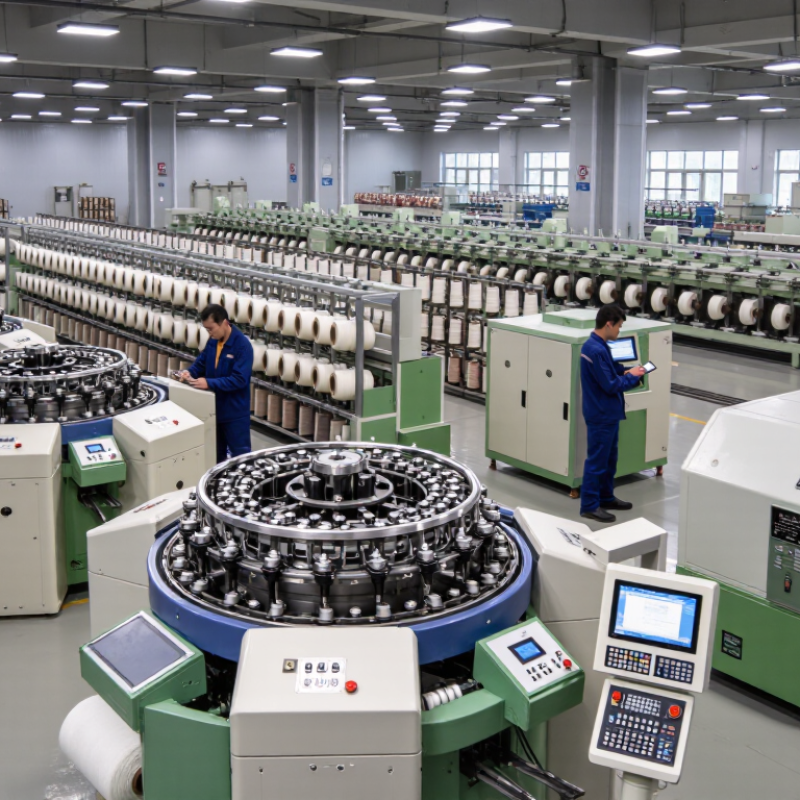
A yarn spinning machine converts prepared fibers into continuous yarn with controlled strength, thickness, and twist. In a mill, it usually receives drafted fiber from roving or another preparation stage. Its main functions include drafting, twisting, winding, monitoring, and package building. These steps must stay synchronized. A small drafting error can create uneven yarn, weak spots, or visible streaks in fabric. Operators therefore check spindle speed, roller settings, traveler condition, humidity, and cleaning intervals. This practical inspection matters because a stable display does not always mean stable yarn.
The working principle begins when drafting rollers attenuate the fiber strand to the required linear density. A spindle then rotates the strand, inserting twist that binds individual fibers together. The traveler guides yarn onto a rotating package, while tension control limits sudden breaks. Sensors can identify abnormal tension, slippage, or package shape during production. For ring spinning, twist and winding occur continuously at each spindle. Other systems use different yarn-forming methods, so their speed and fiber requirements vary. In my experience, production figures need context. High speed may reduce output quality when fiber moisture or alignment is overlooked. That is where judgment still matters. A machine can report efficiency, but experienced staff must question the numbers.
Chinese spinning equipment covers several production routes. Ring spinning machines remain widely used for cotton, wool, and blended yarns. They produce strong, fine yarn, but need travelers, frequent cleaning, and more floor space. Compact spinning machines refine the ring process by reducing fiber hairiness. The result is often smoother yarn with better resistance to pilling.
According to the ITMF International Textile Machinery Shipment Statistics 2023, global shipments reached about 86.5 million short-staple spindles. That figure shows ring-based systems still matter.
Rotor spinning machines use open-end technology and suit coarse counts, recycled fibers, and denim yarns. They remove roving preparation and offer high production speed. Air-jet spinning machines create yarn through controlled air vortices. They can reduce hairiness and winding steps, although fiber selection becomes less forgiving. Vortex spinning is attractive for stable, automated lines, but its fabric hand may differ from ring yarn.
ITMF reported roughly 1.3 million new open-end rotors shipped globally in 2023. China also supplies air-jet and vortex systems, often with automated piecing, online monitoring, and energy-saving drives.
However, advertised efficiency is not guaranteed. Actual results depend on humidity, raw material quality, operator training, and maintenance discipline. Pilot trials remain essential.
China’s leading yarn spinning machine manufacturers compete through engineering depth, stable output, and responsive service.
Their strongest feature is practical customization. Engineers adjust drafting systems, spindle layouts, and control software for different fibers and yarn counts. In factory evaluations, I look for clean assembly areas, traceable components, and documented testing procedures. Small details matter. A balanced roller, firm bearing seat, and guarded drive system can reduce yarn breaks during long shifts.
Automation is another visible advantage. Modern machines may monitor spindle speed, vibration, temperature, and production data in real time. Operators can identify abnormal tension before it damages a full lot. Energy-saving motors and optimized airflow also help control operating costs. However, automation should remain easy to understand. A crowded interface can slow production when workers need quick decisions.
Reliable manufacturers provide trial spinning, installation guidance, spare-parts planning, and operator training. They should explain performance limits instead of promising perfect results. No machine is flawless. Fiber moisture, room temperature, and maintenance habits still affect yarn quality. Buyers should request sample reports, acceptance standards, and service response times before purchasing. That practical evidence often says more than polished brochures.
Evaluating yarn spinning machine suppliers in China requires more than comparing online prices. A polished website proves little. Check whether the factory builds key components or only assembles imported parts. Ask for production records, machine drawings, inspection procedures, and traceable serial numbers. Experienced suppliers should explain spindle speed, twist range, yarn count, energy use, and compatible fibers clearly. Request a live demonstration with your intended material. Watch the machine during startup, threading, and continuous operation.
Tips: Visit the workshop if possible. Inspect machining areas, wiring, lubrication points, and spare-parts storage. Speak with technicians, not only sales staff. Ask for references from factories using similar yarn specifications. Test noise, vibration, temperature, and yarn breakage during a documented trial. Small details often expose weak after-sales support.
Reliable evaluation also includes service capacity. Confirm installation plans, operator training, response times, warranty terms, and the availability of consumable parts. Ask for a written quotation with delivery conditions and performance standards. One supplier may offer a lower price but weaker technical support. That difference becomes expensive during production delays. No checklist is perfect. Your own yarn samples and process data should guide the final decision. A careful supplier will accept reasonable questions, record test results, and admit where the machine has limitations. That honesty matters more than confident promises.
China Top Yarn Spinning Machine Manufacturers Guide
Selecting the Right Chinese Manufacturer for Your Production Needs
Choosing a Chinese yarn spinning machine manufacturer requires more than comparing quotations. Start with your fiber type, yarn count, planned output, and factory climate. Cotton, recycled polyester, and blended fibers may need different drafting systems and humidity controls. Ask for tested production data, not only catalogue speed.
I once treated spindle speed as the main buying factor. That shortcut was expensive. A faster machine can increase hairiness, vibration, energy use, and maintenance demands. Request a sample run using your actual fiber blend. Check yarn evenness, tensile strength, imperfections, and waste levels. Review the machine’s drafting arrangement, spindle design, automation system, and power consumption. Technical drawings should match the final quotation.
Visit the manufacturer when possible. Inspect machining quality, assembly areas, testing records, and spare-parts storage. Ask how technicians handle installation, operator training, software updates, and emergency repairs. Reliable suppliers should provide clear warranty terms and traceable component information. Speak with operating mills, but verify their production conditions before accepting references. A factory may look impressive online, yet support can weaken after delivery. Confirm response times in writing. Also check export documentation, safety compliance, packing methods, and commissioning procedures. Leave room for independent inspection before shipment; it may reveal small issues that photographs miss.
| Evaluation Dimension | Typical Industry Data | What to Request from a Chinese Manufacturer | Production Suitability | Selection Priority |
|---|---|---|---|---|
| Ring Spinning Machine | Typical spindle speed: approximately 10,000–25,000 rpm. Common yarn range: about Ne 20–Ne 100, depending on fiber and machine configuration. | Spindle-speed chart, yarn-count range, traveler specifications, drafting-system details, energy-consumption data, and sample yarn results. | Suitable for cotton, cotton blends, synthetic fibers, and fine or medium-count yarns requiring broad application flexibility. | Very High |
| Compact Spinning Machine | Often operates within a ring-spinning speed range while reducing the spinning triangle and improving fiber control. It generally produces lower-hairiness yarn than conventional ring spinning. | Compact-device design, suction requirements, waste-removal method, hairiness and strength test reports, and retrofit compatibility. | Appropriate for premium apparel, knitting, weaving, and applications requiring improved yarn smoothness and strength. | High |
| Rotor Open-End Spinning Machine | Typical rotor speed: approximately 60,000–150,000 rpm, with some configurations operating higher. Common yarn range: about Ne 6–Ne 40. | Rotor diameter and speed, opening-unit design, automatic piecing performance, trash-removal data, and permissible fiber-length range. | Well suited to medium and coarse yarns, recycled fibers, denim yarns, towels, and products where high productivity is important. | High |
| Air-Jet Spinning Machine | Typical delivery speed: approximately 300–500 m/min, depending on yarn type and raw material. Commonly used for medium-count spun yarns. | Compressed-air consumption, nozzle configuration, delivery-speed range, yarn-strength data, and requirements for air quality and pressure. | Suitable for high-output production of blended, synthetic, and cotton-type yarns with relatively low hairiness. | High |
| Automatic Winding Machine | Typical winding speed: approximately 1,200–2,000 m/min. Electronic yarn clearer systems detect selected yarn defects and splices. | Winding-speed range, clearer functions, splice-quality results, package dimensions, doffing method, and compatibility with the spinning frame. | Recommended for automated cone winding, improved package quality, lower manual handling, and downstream weaving or knitting. | Very High |
| Raw-Material Compatibility | Cotton, polyester, viscose, acrylic, recycled fibers, and blends require different drafting, opening, suction, and tension settings. | Written fiber-length limits, micronaire or fineness recommendations, blend-ratio limits, and trial results using the buyer’s raw material. | Essential for mills processing multiple fiber types or planning to introduce recycled or blended yarns. | Very High |
| Automation and Monitoring | Common functions include automatic piecing, end-break monitoring, production reporting, alarm records, and centralized supervisory control. | Automation list, communication protocols, data-export format, operator interface language, and demonstration of fault reporting. | Important for large mills, labor-cost reduction, consistent quality, and multi-shift production. | High |
| Energy and Utility Demand | Electrical load, compressed-air demand, suction requirements, humidity control, and HVAC capacity vary significantly by spinning technology. | Connected load, average operating consumption, air-pressure requirements, suction capacity, and recommended mill-environment conditions. | Critical for calculating total operating cost and verifying whether the existing mill infrastructure is adequate. | Very High |
| Quality-Control Evidence | Relevant yarn indicators include count variation, unevenness, imperfections, tensile strength, elongation, hairiness, and end-break rate. | Recent laboratory reports, test methods, control limits, sample cones, and results produced with equivalent fibers and target yarn counts. | Suitable for buyers that need repeatable yarn quality for export, knitting, weaving, or contract production. | Very High |
| Compliance and Documentation | Typical documentation includes equipment specifications, electrical diagrams, operating manuals, maintenance schedules, risk information, and conformity documents where applicable. | Factory quality certificate, applicable conformity declaration, serial-number records, inspection report, spare-parts list, and translated manuals. | Necessary for customs clearance, workplace safety reviews, audits, and installation in regulated markets. | Very High |
| Installation and Commissioning | A complete project normally requires foundation planning, machine alignment, utility connection, trial running, operator training, and acceptance testing. | Installation scope, technician availability, training hours, commissioning checklist, acceptance criteria, and responsibility for travel and local contractors. | Especially important for first-time importers and complete spinning-mill projects. | High |
| Spare Parts and Technical Support | Critical parts include bearings, belts, sensors, drafting components, electronic modules, nozzles, rotors, spindles, and pneumatic components. | Recommended spare-parts package, part-number system, stocking location, response time, remote-support process, and technician coverage in the destination country. | Directly affects uptime, maintenance cost, and the long-term value of imported equipment. | Very High |
| Warranty and Acceptance Terms | A commercial warranty is often defined by a fixed period or operating hours, with exclusions for consumables, incorrect installation, and unauthorized modifications. | Warranty duration, covered components, defect-report procedure, performance-guarantee values, payment milestones, and remedies if acceptance targets are not achieved. | Important for controlling purchasing risk and ensuring that machine performance is measured objectively after installation. | Very High |