Choosing the China best fabric weaving machine manufacturer requires more than comparing prices or factory photographs. The answer depends on fabric type, loom speed, automation, energy use, and after-sales support. No ranking is perfect.
The International Textile Machinery Federation’s International Textile Machinery Shipment Statistics 2023 shows continued global demand for shuttleless weaving equipment. Asia remains the leading destination for new textile machinery, reflecting strong regional production capacity and supply-chain depth. China’s manufacturing base benefits from this ecosystem, including local component suppliers, engineering teams, and export experience.
However, production scale does not automatically prove technical leadership. A reliable fabric weaving machine manufacturer should demonstrate stable warp tension, accurate weft insertion, low vibration, and consistent output during extended trials. Buyers should request test reports, fabric samples, spare-parts schedules, and documented service response times. These details often reveal more than a polished showroom.
The World Trade Organization’s World Trade Statistical Review highlights China’s continuing importance in global textile and apparel trade. This position supports a mature equipment market, but it also creates many uneven suppliers. Some manufacturers excel at standard looms, while others perform better with jacquard, rapier, air-jet, or technical fabrics.
Our evaluation should therefore balance experience, engineering evidence, certification, and customer feedback. ISO 9001 certification can support process control, but it cannot replace independent machine testing. The best supplier for one factory may be unsuitable for another. That is worth admitting.
This guide examines leading Chinese manufacturers through practical criteria, including machine performance, customization, installation, training, maintenance, and long-term operating value.
Understanding Fabric Weaving Machines and Their Industrial Applications
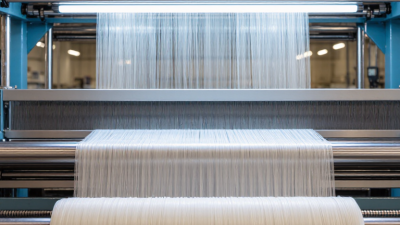
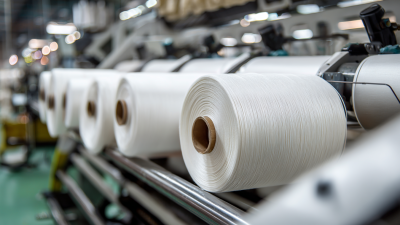
Choosing China’s best fabric weaving machine manufacturer requires practical knowledge, not attractive claims alone. Fabric weaving machines interlace warp and weft yarns to create stable textile structures. Different models support cotton, polyester, technical fibers, and blended materials. They serve apparel, home textiles, automotive interiors, packaging, and industrial filtration. Air-jet machines suit high-speed production, while rapier machines offer greater flexibility for varied fabrics. Water-jet systems can produce smooth synthetic fabrics efficiently.
Tips: Check fabric width, yarn range, speed, energy use, and maintenance access. Request sample weaving tests before purchasing. Inspect noise levels and tension control during operation. Small details matter.
From factory experience, stable warp tension often affects fabric quality more than maximum speed. Operators should examine the control interface, loom vibration, spare-part availability, and training support. A machine may run quickly but still create uneven edges or frequent stoppages. That is costly. Manufacturer evaluations should include production records, technical documentation, and realistic performance data. Ask how the machine handles humidity changes and recycled yarns. These conditions can expose weaknesses. I would not rely on showroom demonstrations alone. Actual production trials reveal more, although even trials cannot predict every factory challenge. Regular cleaning, lubrication, and inspection remain necessary for dependable output.
Air-jet and water-jet looms are commonly used for high-speed production of lightweight and medium-weight fabrics. Rapier looms provide greater flexibility for woven fabrics with different yarn types, patterns, and widths, while projectile looms are suitable for heavier, wider, or technically demanding fabrics. The figures show representative industrial operating speeds measured in picks per minute and may vary according to fabric construction, yarn material, machine width, and production settings.
China Best Fabric Weaving Machine Manufacturer?
A leading Chinese weaving machine manufacturer should prove performance beyond a polished factory tour. ITMF’s 2023 International Textile Machinery Shipment Statistics recorded more than 100,000 new shuttleless looms shipped worldwide. That scale raises buyer expectations. A reliable manufacturer should provide stable warp tension, accurate weft insertion, and consistent fabric density during long production runs. Ask for measured data, not attractive claims. Useful evidence includes loom speed, energy consumption, fabric width, machine availability, and defect rates from comparable installations.
Engineering depth matters. The manufacturer should offer precise control systems, durable picking mechanisms, and accessible spare parts. ISO 9001 certification can support quality management, but certification alone does not guarantee good weaving results. Request sample fabric, maintenance records, and a live trial using your actual yarn. It reveals vibration, noise, broken-end frequency, and operator workload.
After-sales support separates a supplier from a serious manufacturing partner. The International Trade Centre reported China as a major global exporter of textile machinery, showing strong production capacity, but capacity is not the same as service quality. Check technician response times, training procedures, software updates, and remote diagnostics. Some factories still overstate speed while underreporting energy use. That deserves scrutiny. A better evaluation includes total ownership cost over five years, not only the purchase price. Even experienced buyers can miss installation limits, humidity conditions, or fabric changeover time.
China Best Fabric Weaving Machine Manufacturer?
Core Technologies and Product Features to Evaluate
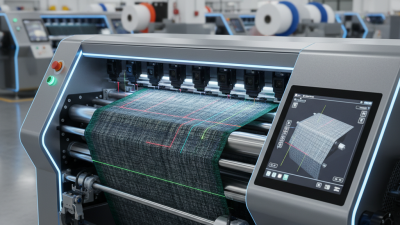
Choosing a fabric weaving machine requires more than comparing speed labels. Core technology affects fabric quality, energy use, and maintenance costs. Evaluate electronic let-off and take-up systems, stable servo motors, and real-time tension control. These features reduce uneven density and stop marks during long production runs. Air-jet machines suit lightweight fabrics, while rapier machines offer better flexibility for textured or heavier materials. The right choice depends on your fabric range, not only maximum speed.
Energy performance also deserves careful measurement. The International Energy Agency reports that electric motor systems use around 50% of global electricity. Efficient drives, standby modes, and compressed-air monitoring can therefore influence operating costs. Textile Exchange’s 2024 Materials Market Report states that polyester represented about 57% of global fiber production in 2023. A capable loom should handle changing yarn types without frequent mechanical adjustments. In practice, impressive specifications can mislead. Test actual fabric samples before purchasing.
Tips: Request a trial using your own yarn and target density. Check fabric edges, noise, vibration, and power consumption. Ask for defect records from comparable installations. Review diagnostic software, spare-part availability, operator training, and remote support. A machine may run fast, yet still waste time during changeovers. Also verify whether the control system exports production data in a usable format. Small details often decide real factory performance.
China Best Fabric Weaving Machine Manufacturer?
A capable fabric weaving machine manufacturer begins with disciplined manufacturing standards. Production should follow documented procedures for frame welding, electrical assembly, spindle alignment, and software inspection. Experienced engineers check vibration, noise, temperature, and fabric tension during trial operation. Each critical component needs a traceable record, from incoming inspection to final testing. Calibration matters. An inaccurate sensor can create uneven fabric and costly material waste.
Customization should respond to the fabric, not merely the buyer’s preferred machine size. Different yarn counts, widths, densities, and production speeds require different configurations. Engineers may adjust the reed space, take-up system, control interface, or tension settings. A useful supplier studies production samples before recommending changes. Drawings and test reports should be reviewed together. Sometimes, the first design is not practical. That weakness should be identified early, not hidden behind attractive specifications.
Quality assurance must continue after assembly. A serious inspection plan includes no-load testing, continuous running, emergency-stop verification, and sample fabric evaluation. Operators should receive clear maintenance instructions and troubleshooting guidance. Factory records also help service teams identify recurring faults. No manufacturer is perfect. Small alignment errors can still appear during long production runs. Transparent correction procedures build more trust than exaggerated claims. Buyers should request measurable acceptance standards, spare-part information, and video evidence of machine performance under similar working conditions.
| Evaluation Area | Data Dimension | Industry Reference or Requirement | Recommended Verification Point | Why It Matters |
|---|---|---|---|---|
| Manufacturing Management | Quality management system | ISO 9001-based documented processes for design, purchasing, production, inspection, and corrective action | Request a valid certificate, certification scope, audit status, and controlled quality procedures | Creates traceability and reduces variation between machines and production batches |
| Manufacturing Management | Production traceability | Serial-number records for critical components, assembly operations, inspection results, and software versions | Check whether the machine, drive system, controller, and test records can be linked to one serial number | Simplifies maintenance, spare-parts control, and root-cause analysis |
| Machine Configuration | Fabric and yarn compatibility | Confirm suitability for the required yarn type, yarn count, warp density, fabric width, and fabric structure | Use a written specification sheet and run samples with the buyer’s actual yarn and fabric design | A machine optimized for one fabric category may not perform reliably on another |
| Machine Configuration | Working width and speed | Select the working width and rated speed according to the fabric structure; actual output depends on yarn, pattern, stoppages, and operator settings | Compare rated speed with documented sample-production speed and measure fabric output during a witnessed trial | Rated speed alone does not represent usable production capacity |
| Customization | Mechanical customization | Possible options may include working width, reed and denting arrangement, let-off and take-up configuration, selvage device, and fabric inspection layout | Require a configuration drawing, bill of materials, option list, and documented effect on delivery and maintenance | Prevents differences between the quotation, approved design, and delivered machine |
| Customization | Electrical and control customization | Voltage, frequency, control language, alarm logic, communication interface, and data-export requirements should be agreed before production | Approve electrical schematics, software functions, parameter backup, and operator-interface language | Improves installation compatibility and reduces commissioning time |
| Safety and Compliance | Machine safety design | Risk assessment, guarding of moving parts, emergency stops, warning labels, and safety instructions should be included | Review the risk assessment, safety-circuit test, emergency-stop test, and protective-guard inspection | Reduces operator exposure to entanglement, crushing, and unexpected movement hazards |
| Safety and Compliance | Electrical safety and EMC | IEC 60204-1 is a common reference for electrical equipment of machinery; applicable EMC requirements depend on the destination market | Verify electrical test records, protective bonding, insulation checks, EMC documentation, and destination-market conformity | Supports safe operation and stable performance near other industrial equipment |
| Quality Assurance | Incoming inspection | Critical purchased parts should be checked against drawings, specifications, dimensions, and certificates where applicable | Review inspection plans and sample records for frames, shafts, bearings, motors, drives, sensors, and control components | Prevents defective or incorrectly specified parts from entering assembly |
| Quality Assurance | Assembly and alignment inspection | Check frame level, shaft alignment, fastener tightening, lubrication points, belt or drive settings, and sensor installation | Use recorded measurement results and calibrated tools rather than visual inspection alone | Reduces vibration, premature wear, noise, and fabric defects |
| Quality Assurance | Factory acceptance testing | Test the machine under agreed operating conditions, including start-up, stop, emergency stop, alarms, speed control, and continuous running | Define test duration, yarn and fabric settings, acceptance tolerances, and video or inspection records before the test | Provides objective evidence that the delivered configuration meets the purchase specification |
| Output Quality | Fabric consistency | Evaluate fabric width, pick density, selvage quality, appearance, tension stability, and defect rate against an approved sample | Use a signed golden sample, inspection checklist, and agreed measurement method for acceptance | Connects machine performance with the buyer’s actual fabric requirements |
| Documentation | Technical documentation | Supply operating instructions, maintenance schedule, spare-parts list, electrical drawings, lubrication chart, and troubleshooting information | Confirm document language, revision number, delivery format, and consistency with the final machine configuration | Enables safer operation and faster maintenance after installation |
| Service and Lifecycle | Installation and operator training | Training should cover safe operation, parameter setting, routine cleaning, lubrication, fault diagnosis, and changeover procedures | Specify training hours, delivery method, trainee materials, and commissioning responsibilities in the contract | Shortens ramp-up time and helps prevent avoidable operating errors |
| Service and Lifecycle | Spare-parts and warranty support | Define warranty coverage, exclusions, recommended start-up spares, consumables, response times, and parts-identification method | Request a spare-parts matrix with part numbers, lead times, interchangeability information, and warranty procedure | Improves uptime and makes the total cost of ownership easier to control |
China Best Fabric Weaving Machine Manufacturer?
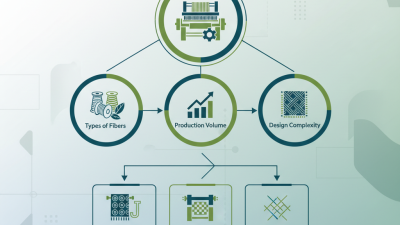
When selecting the best fabric weaving machine supplier in China, begin with your production requirements. Define fabric width, yarn type, target GSM, speed, and daily output. A capable supplier should explain how each machine handles your specific material. Ask for technical drawings and a written performance range. Avoid vague promises.
Request fabric samples made with your yarn. Check edge quality, fabric tension, noise, and stop marks. A short demonstration can reveal more than a polished brochure. During a factory visit, observe assembly areas, testing procedures, and spare-part storage. Speak with the engineers, not only the sales team. Practical knowledge matters.
Review the supplier’s quality records and export experience. Confirm electrical specifications, safety documentation, installation support, training, and response times. Compare the total cost, including shipping, commissioning, maintenance, and replacement parts. The lowest quotation may hide weak after-sales service. I have seen buyers focus on speed, then struggle with unstable tension and expensive downtime. That choice deserves a second look.
A reliable supplier should provide inspection reports, clear warranty terms, and measurable acceptance standards. Check whether the machine can be adjusted for future fabric changes. Ask how quickly common parts can be supplied. Small details matter. A professional evaluation takes time, but it reduces avoidable production risks.