
7 Best Sandwich Mesh Fabric Suppliers for Global Buyers

Choosing a Sandwich Mesh Fabric supplier involves more than comparing prices. Buyers need material that suits the product, production volume, and delivery schedule. A mesh used in sports shoes may need different stretch and abrasion resistance from one used in backpacks, car seats, or outdoor gear. Small details matter.

This guide introduces seven suppliers for global buyers and explains what to check before requesting a quote. Compare fiber composition, fabric weight, thickness, color options, and available roll widths. Ask whether the supplier can provide technical data sheets, sample swatches, and consistent production specifications. These details help teams assess whether a fabric will work with their cutting, sewing, or lamination processes.

Lead times and communication also deserve attention. A low unit price may not reflect sampling costs, minimum order quantities, freight, or possible delays. Request current information, and confirm how quality checks are handled. Then test a sample under realistic conditions. A swatch can look promising but behave differently after stitching or repeated use.

There is no single best supplier for every project. Some buyers value customization; others need dependable repeat orders or a particular mesh structure. Supplier descriptions can change, so verify claims directly before making a purchase. This shortlist offers a practical starting point, not a substitute for testing. Trade-offs remain.
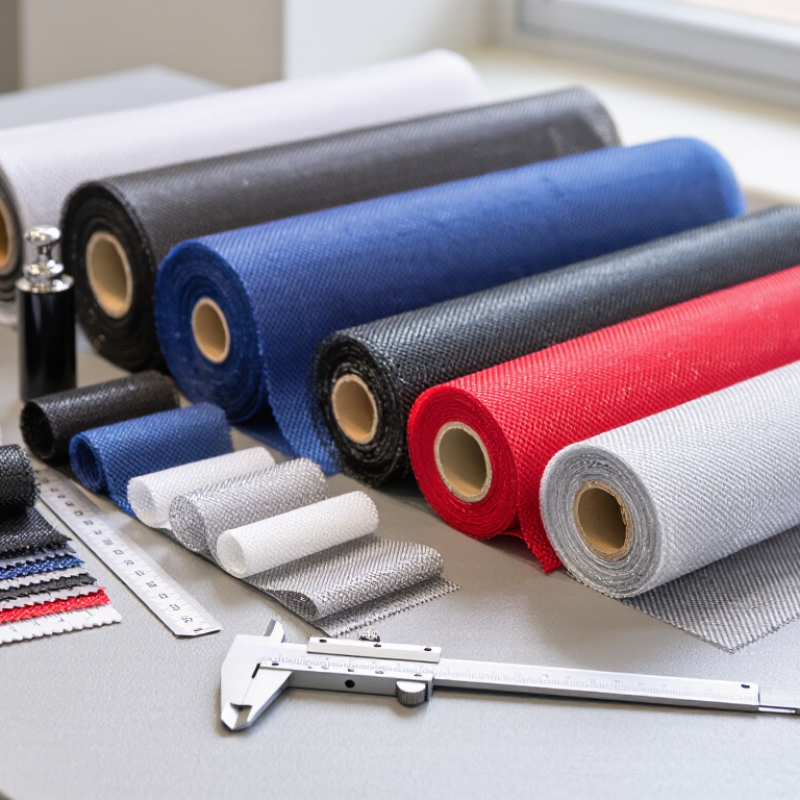
7 Best Sandwich Mesh Fabric Suppliers for Global Buyers

What Sandwich Mesh Fabric Is and How It Is Used

Sandwich mesh is a three-dimensional knitted fabric: two outer layers are joined by short connecting yarns. The middle layer creates space between the faces, helping air circulate while adding light cushioning. Air moves through it. The fabric is not automatically waterproof or supportive; performance depends on yarn type, knit density, thickness, and finishing. A sample may feel springy in hand yet compress noticeably under body weight.

Manufacturers use sandwich mesh in shoe uppers, backpack panels, office-chair backs, mattress layers, and vehicle seat inserts. It suits products that need airflow and a little separation from the skin or frame.

Textile Exchange’s Materials Market Report 2024 estimates that global fiber production reached 124 million tonnes in 2023, with polyester making up 57% of the total. Polyester is common in spacer knits, but fiber choice should match the use: abrasion, stretch, moisture, and cleaning all matter.

Grand View Research valued the global technical textiles market at USD 220.5 billion in 2023; that broad figure is not a sandwich-mesh market estimate. Buyers should check thickness, weight, compression recovery, and test results on the intended construction.

One detail is easy to miss: a breathable fabric can still trap heat when backed by a dense lining.

Key Criteria for Evaluating Global Fabric Suppliers

Global buyers should compare sandwich mesh fabric suppliers by measurable specifications, not catalog images. Request the fiber composition, weight in grams per square meter, mesh opening size, thickness, and usable roll width. These details affect airflow, cushioning, sewing, and material yield. A fabric described as “breathable” may still feel too warm in a finished seat or bag.

Ask for test reports covering tensile strength, abrasion resistance, colorfastness, and dimensional stability. Check that the report matches the proposed fabric construction and color, and confirm how samples were tested. Test it first. Sew a small panel and inspect the edges, stretch, and recovery after repeated pressure. A sample is useful, but it cannot guarantee every production roll will match.

Price and capacity matter, but delivery reliability and quality controls matter just as much. Ask about minimum order quantities, production lead times, inspection procedures, and how defects are handled. Request lot identification and traceability records for repeat orders. Clear answers are a good sign; vague promises are not. It is tempting to choose the lowest quote, yet freight, inconsistent dye lots, or delayed production can erase the savings. No supplier is perfect, and buyers should decide which trade-offs they can actually accept.

Seven Sandwich Mesh Fabric Suppliers for Global Buyers

7 Best Sandwich Mesh Fabric Suppliers for Global Buyers

Seven Sandwich Mesh Fabric Suppliers for Global Buyers

For global buyers, the best supplier depends on the intended use, required mesh structure, and order volume. Seven supplier profiles are worth comparing: integrated knitting mills, warp-knitting specialists, spacer-mesh makers, recycled-polyester producers, custom dye houses, laminators, and export-focused technical-textile converters. Each may offer different strengths in construction, finishing, or production flexibility. Textile Exchange’s Materials Market Report 2024 reported 124 million tonnes of global fiber production in 2023; polyester made up about 57%. This makes fiber content and traceability useful questions when evaluating polyester mesh.

Request details, not just a catalog. Compare fabric weight, thickness, aperture size, stretch recovery, colorfastness, and test methods. For seating or footwear, inspect the mesh under load; for bags, check abrasion resistance and seam behavior. Ask for production samples and written tolerances. A polished swatch can still conceal batch variation. Small trials matter.

Tips: Send every shortlisted supplier the same specification sheet and ask for a sample roll. Check labels and test reports against the delivered fabric, including recycled-content claims where relevant. Confirm lead times, minimum order quantities, and packaging before placing a larger order. Don’t skip the wash test.

Comparing Supplier Capabilities, Markets, and Services

For global buyers, the best sandwich mesh supplier depends on the end use, order size, and required testing. Compare seven supplier profiles: integrated knitting mills, custom-development mills, recycled-yarn specialists, sportswear fabric makers, footwear mesh producers, upholstery suppliers, and regional stockists. Integrated mills may offer steadier production, while stockists can shorten replenishment times. Custom suppliers may develop a specific spacer thickness or color, but sampling can take longer. Check fabric weight, thickness, air permeability, abrasion resistance, and dimensional stability against your product needs.

Scale matters. Textile Exchange’s Materials Market Report 2024 estimates that global fiber production reached 124 million tonnes in 2023, with polyester accounting for 57%. This industry context helps buyers ask sharper questions about fiber sourcing and production capacity; it does not prove any supplier’s mesh performance. Request a current technical data sheet, test method, sample lot, and written lead-time estimate. Also confirm whether the supplier handles finishing, color matching, export packing, and quality checks in-house. Small details matter. A mesh that feels breathable in a swatch may behave differently when laminated or sewn.

Tips: Send the same specification to each candidate, including target weight, thickness, color, annual volume, and destination market. Ask for test results from the actual construction, not a similar fabric. Compare response clarity as well as price. One weakness: sample results do not always predict bulk consistency, so approve a production-representative lot before placing a large order.

7 Best Sandwich Mesh Fabric Suppliers for Global Buyers

Comparing Supplier Capabilities, Markets, and Services — use product specifications such as fabric weight as one practical point of comparison.

Indicative commercial weight bands, in grams per square metre (GSM), shown for buyer orientation. These are not universal industry standards or supplier-specific specifications; confirm the exact range, construction, and test method with each supplier.

How to Select a Supplier for Your Project

Choosing a sandwich mesh fabric supplier starts with the conditions the fabric will face. A seat back, shoe lining, and backpack panel need different levels of airflow, cushioning, and abrasion resistance. Share a clear specification, including fiber composition, weight in grams per square meter, thickness, color, and intended use. Ask for a physical sample, not only a digital swatch. Feel the layers. Check the edges.

Test the sample under realistic conditions. Compare air permeability, stretch recovery, colorfastness, and resistance to rubbing against your project requirements. If the mesh will be laminated or sewn to another material, test that combination too. A fabric can look suitable on a desk and behave differently on a production line. Request test reports and confirm which methods were used; numbers without context are hard to judge. No checklist catches everything.

Supplier capability matters as much as fabric performance. Ask about minimum order quantities, repeat-batch consistency, production capacity, and typical lead times. For international shipments, clarify packing methods, moisture protection, export documents, and who arranges freight. Request references or examples of comparable applications, while protecting confidential project details. Be cautious when a supplier promises every specification without asking about use or testing. That answer may sound efficient, but it deserves a second look. Record agreed tolerances and sample approvals in writing before placing a bulk order.

Go to Top
Translate »