
Choosing the best Roller Compactor starts with the surface, not the machine’s size. A narrow trench beside a foundation needs a different approach from a broad asphalt lane or a long stretch of granular base. Soil type, lift thickness, moisture, access, and required finish all shape the decision. A smooth drum may suit asphalt, while a padfoot drum can work better on cohesive soil. The wrong match can leave soft patches, uneven passes, or a surface that needs costly rework.
As a practical reminder, “The best compactor is the one matched to the material, lift, and site—not simply the largest one available.” I can’t verify this wording as a quote from a named industry expert, so it should not be published as a direct expert quotation. Add a verified quotation and the expert’s name from a reliable source before publication.
This guide will compare roller types, compaction needs, operating conditions, and ownership costs. It will also look at details crews notice in the field: turning room, visibility, vibration settings, and how the drum behaves near edges. Specifications matter, but they do not tell the whole story. A machine can look ideal on paper and still feel awkward on a tight site. Use the project’s actual conditions to narrow the options, and treat any recommendation as a starting point—not a substitute for checking the material and test results.
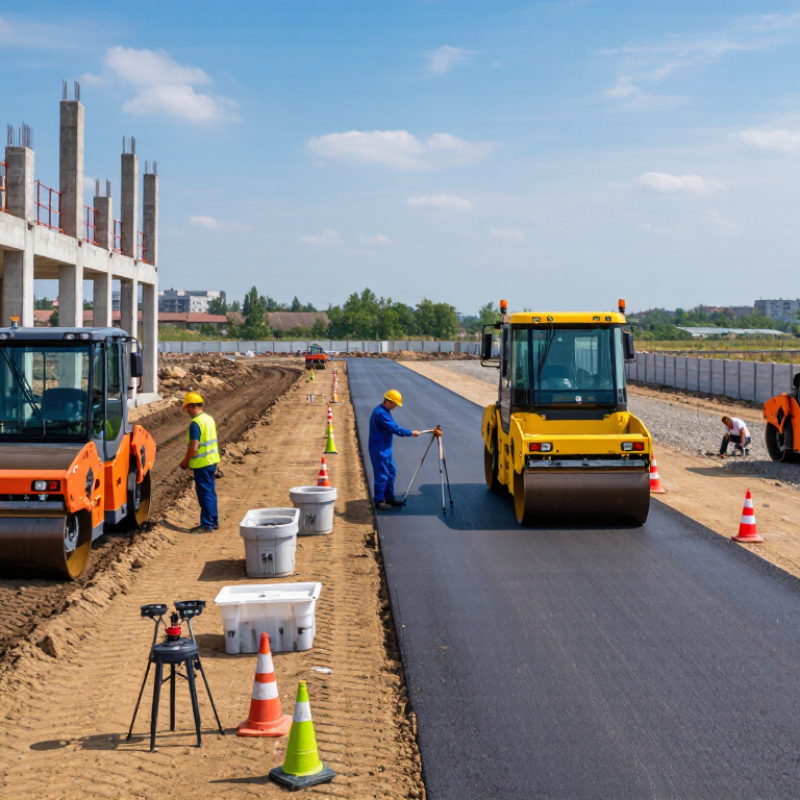
A roller compactor presses soil, aggregate, or asphalt into a denser layer. Its weight closes air gaps, while vibration or kneading action can help particles settle. The result is a firmer surface that better supports traffic, buildings, or further construction.
Simple in principle. But material matters.
Smooth-drum rollers are commonly used on granular base layers and asphalt. Padfoot drums can grip and work cohesive soils, while pneumatic-tire rollers apply more even pressure across a surface. On a road project, a crew might compact a gravel base before paving, then use a different roller to finish the asphalt. Small rollers also fit confined areas such as paths or parking-lot edges.
Not every machine suits every site. Damp clay, for example, may respond poorly to the same settings used on dry gravel. I have seen a surface look firm while deeper material remained loose; appearance alone can mislead.
Roller choice should account for soil type, layer thickness, moisture, access, and the project’s density requirements. Field testing helps confirm whether compaction is actually adequate.
What Is the Best Roller Compactor for Your Project?
The best roller compactor depends on site conditions, not machine size alone. Soil type is a major starting point. Granular materials often respond well to vibration, while cohesive clay may need kneading action from a padfoot drum. Moisture also matters. If the ground is too wet, repeated passes can create pumping instead of firm support.
Lift thickness shapes drum selection and compaction energy. A thin asphalt layer may need controlled vibration and smooth drum contact. A deeper soil lift may require higher amplitude and greater operating weight. Tight corners, narrow access roads, and steep slopes can change the decision completely. On one site, a wide drum saved time. On another, it could not safely reach the working area. That mistake was avoidable.
Tips: Check the soil report, moisture level, lift depth, and required density before choosing equipment. Walk the site with the operator. Confirm turning space, ground bearing capacity, and transport limits. Start with a test section, then adjust speed, vibration, and pass count. Do not assume more passes always mean better results. A poorly matched setting can waste fuel and still leave weak zones. When conditions change during the project, review the compactor choice instead of forcing the original plan.
Project conditions determine the required roller type and operating mass. The chart shows typical planning ranges for common compaction applications.
Typical operating-mass ranges are shown for preliminary equipment selection. Final requirements should be confirmed using soil classification, lift thickness, moisture content, required density, site access, and project specifications.
Start with the soil. Not the machine. Roller compactor types differ by material behavior, not appearance. A smooth-drum roller applies concentrated pressure to asphalt and granular base. Vibration increases contact force and improves density, but excessive vibration can damage fragile layers. A padfoot roller creates deeper kneading action, making it suitable for cohesive clay and damp embankment soil. Pneumatic-tire rollers use overlapping rubber tires to seal asphalt surfaces and close small voids.
The numbers deserve attention. Asphalt Institute guidance in MS-2 commonly places dense-graded asphalt targets near 92–96% of theoretical maximum density. Many earthwork specifications also require about 95% of maximum dry density, although soil type and project risk change that requirement. FHWA’s Intelligent Compaction TechBrief, FHWA-HIF-17-025, recommends tracking roller passes, speed, vibration settings, and temperature. Those records reveal weak areas that visual inspection misses.
For asphalt, I usually prefer a vibratory smooth drum for initial breakdown, then a pneumatic roller for surface sealing. For clay, a padfoot roller is normally more dependable.
My first equipment estimate is not always right. Moisture, layer thickness, and tight corners can overturn it quickly. A smaller static roller may outperform a larger vibrating unit beside curbs, walls, or utility covers. The best choice is therefore a measured match between soil response, required density, access, and operator control.
Choosing the best roller compactor starts with performance, not appearance or advertised power. Compare operating weight, vibration frequency, centrifugal force, and drum width. Operating weight affects penetration and stability on soil. Centrifugal force helps compact dense layers, but excessive force can disturb fragile surfaces. Vibration frequency should match the material and lift thickness. A machine can feel powerful yet deliver uneven results. This happens when settings do not suit the ground.
Evaluate productivity in realistic site conditions. Check travel speed, gradeability, turning radius, and water-tank capacity. A narrow drum may work better near foundations, while a wider drum covers open areas faster. Inspect the vibration system for smooth engagement and consistent amplitude. Test the controls with gloves on. Small delays become expensive across a long shift. Fuel or battery endurance also matters when refueling access is limited. Ask for measurable data, then compare it with soil reports and trial passes.
Tips: Measure density with reliable field testing, not visual judgment alone. Run a short test lane before full production. Watch for bouncing, ridges, or cracking. Each symptom may indicate poor settings or unsuitable moisture. Review operator visibility, noise, maintenance access, and emergency controls. These details support safe, repeatable performance. I would not choose from specifications alone. Operator feedback often exposes weaknesses that brochures miss. Leave room for adjustment; real ground rarely behaves perfectly.
Matching a roller compactor to a project starts with the soil, not the machine. Granular sand and gravel usually respond well to vibratory drums, which rearrange particles through rapid energy. Cohesive clay needs kneading action from a padfoot drum. Asphalt requires controlled vibration, suitable drum width, and careful temperature management. That choice matters.
Moisture and lift thickness also control performance. FHWA’s Soils and Foundations Reference Manual identifies density, water content, and layer thickness as core compaction variables. Many highway specifications target at least 95% of maximum dry density under ASTM D698, although project requirements vary. NCHRP research also stresses field testing instead of relying on roller passes alone. A nuclear gauge, sand-cone test, or approved alternative can reveal weak areas beneath a smooth surface.
Match machine weight and drum energy to the material depth. A heavy roller may overwork a thin lift, while a light unit may leave deep voids. On a narrow trench, maneuverability can matter more than maximum capacity. On a wide embankment, production rate deserves closer attention. I have seen operators increase vibration when moisture was already excessive. It looked productive, but density fell. Do not guess. Review the geotechnical report, confirm the target density, and run a short test strip before full production. The test strip may expose an uncomfortable mistake early.
| Project or Material | Suitable Roller Type | Why It Fits | Typical Operating Weight* | Key Selection Checks |
|---|---|---|---|---|
| Granular soil, gravel, or crushed stone on a large area | Single-drum vibratory roller with a smooth drum | Vibration helps rearrange and compact granular particles; the smooth drum is suited to even surfaces. | About 3–20 tonnes, depending on machine class | Check soil gradation, lift thickness, vibration settings, access, and required density. |
| Cohesive soil, such as clay or silty clay | Single-drum padfoot (tamping-foot) roller | The feet apply concentrated pressure and kneading action that can help compact cohesive material. | About 5–25 tonnes, depending on machine class | Confirm moisture is near the specified range; excessive moisture or overly thick lifts can reduce compaction quality. |
| Asphalt paving, surface finishing, and smaller paved areas | Tandem vibratory roller with two smooth drums | Two drums provide a continuous contact surface and are commonly used for asphalt breakdown and finish rolling. | About 1–14 tonnes, depending on machine class | Match drum width and vibration to the paving mix, layer thickness, temperature window, and project specifications. |
| Asphalt compaction where a kneading action or reduced drum marking is useful | Pneumatic-tire roller | Multiple rubber tires apply pressure and kneading action; ballast and tire pressure can affect contact pressure. | About 5–30 tonnes, depending on configuration | Check tire layout, ballast options, tire pressure, surface temperature, and whether the mix is suitable for pneumatic rolling. |
| Trenches, utility work, and confined areas | Walk-behind trench roller, often with padfoot drums | Its compact size and remote or walk-behind operation can suit narrow work areas and trench backfill. | About 1–2 tonnes for many trench-roller models | Verify trench width, side clearance, lift thickness, remote-control visibility, and safe operating procedures. |
| Small paths, patching, and narrow landscaping or repair jobs | Walk-behind tandem roller | A small footprint and two smooth drums can make it practical for compacted aggregate or asphalt in restricted areas. | About 0.5–2 tonnes for many models | Consider drum width, turning space, surface type, transport access, and the compaction depth required. |
*Weight ranges are approximate examples, not equipment-class limits; specifications vary by design and configuration. Select the roller based on the material, lift thickness, site conditions, and project compaction requirements. Verify results with the specified field-testing method.