
Choosing the right Party Dress is rarely about following one perfect rule. It depends on the invitation, venue, season, comfort, and the impression you want to leave.
A garden celebration may suit a floral midi dress, block heels, and a small woven bag. A formal evening event calls for richer fabric, sharper tailoring, and refined accessories. For a rooftop gathering, a satin slip dress can catch the city lights, while a structured mini dress may work better for dancing. These details matter because clothing must perform, not merely photograph well.
Fashion authority Anna Wintour once said, “Fashion is a reflection of the time in which we live.” That idea helps explain why party styles keep changing. Yet dependable choices remain: flattering proportions, breathable materials, secure straps, and shoes you can actually walk in. Small practical tests often prevent large wardrobe mistakes.
This guide explores 10 Best Party Dress Styles for Every Occasion, from relaxed birthdays to black-tie receptions. Each style will consider silhouette, fabric, color, accessories, and setting. The recommendations draw on established styling principles and real-world wearability. Still, personal taste can interrupt every rule. A dress may look perfect online but feel wrong after two hours. That is worth admitting. Your best choice may be less dramatic, but more comfortable, confident, and genuinely yours.
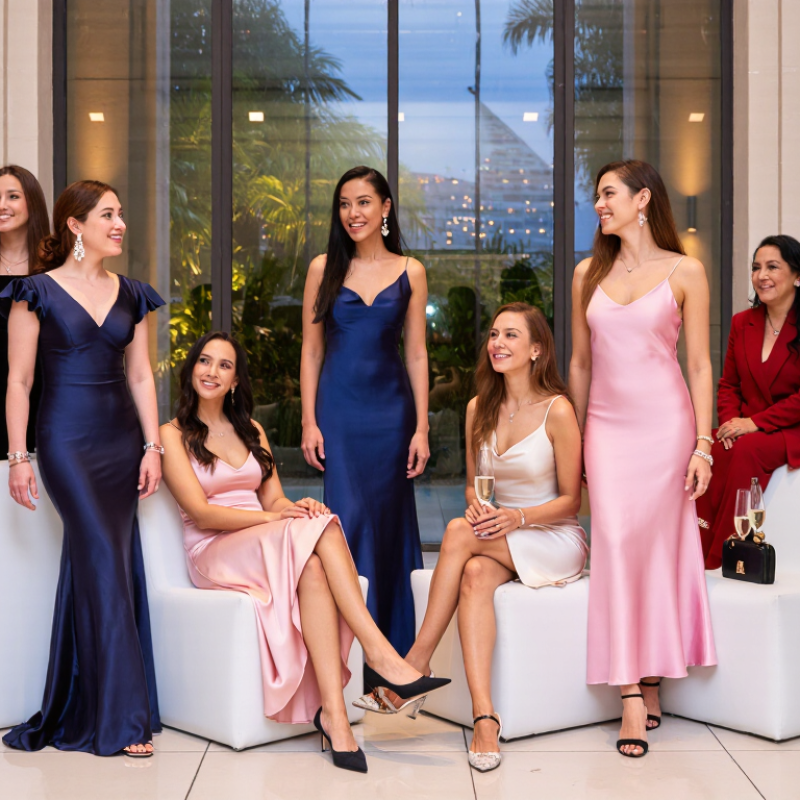
Party dressing becomes easier when you read the invitation before choosing a silhouette. The event sets the mood, while formality controls fabric, length, and accessories.
For a cocktail party, try a fitted midi dress, a feather-trimmed mini, or a sleek wrap style. Choose polished heels and one noticeable accessory. Keep the finish refined.
A formal evening event calls for stronger structure. Consider a floor-length gown, a column dress, or an elegant draped style. Rich satin, velvet, and controlled sparkle can suit evening lighting.
For black-tie optional occasions, a tailored jumpsuit or sophisticated midi dress may work. Check the venue carefully.
A garden celebration needs different choices. Floral chiffon, a tiered dress, or a soft off-shoulder style feels more natural outdoors. Avoid heavy fabrics in warm weather.
Semi-formal dinners allow more personality. Try a pleated midi, a one-shoulder dress, or a refined slip silhouette with a light jacket.
Festive dress codes welcome metallic details, vivid color, and playful texture. Holiday parties can handle sequins, but balance them with simple shoes.
I once chose an elaborate dress for a small dinner and felt overdressed all evening. That mistake still matters.
Comfort affects posture, movement, and confidence. For daytime ceremonies, lighter colors and modest hemlines usually feel appropriate.
For themed parties, follow the theme without sacrificing fit. A dress may look perfect online, yet feel restrictive after two hours.
Move, sit, and check the fabric before committing.
The best party dress begins with movement, not a size label. An A-line dress gently skims the hips, while a fit-and-flare shape creates balanced proportions. Wrap dresses adjust easily and suit changing body measurements. Sheath dresses look polished for dinners, but need enough room across the seat and shoulders. Slip dresses feel light and elegant, though a soft lining can improve comfort. Empire-waist styles leave space around the stomach. Tea-length dresses work well for daytime celebrations. Maxi dresses add graceful coverage for evening events. One-shoulder designs create visual interest. A tailored jumpsuit offers a confident alternative to dresses.
Comfort matters at least as much as appearance. Check whether you can sit, raise your arms, and walk naturally. Seams should not pull across the bust or wrinkle sharply at the hips. Breathable fabrics help during crowded indoor parties, while a small amount of stretch supports dancing. Your body is not a fixed shape. I have seen flattering outfits fail because the neckline scratched or the hem caught under a shoe. That detail matters more than photographs suggest.
Tips: Try the outfit with your actual undergarments and shoes. Stand, sit, and turn before buying. Use a full-length mirror and natural light. If a dress needs constant adjusting, choose another silhouette. Personal preference still matters. No rule fits everyone.
10 Best Party Dress Styles for Every Occasion?
Choosing a party dress becomes easier when the occasion guides the silhouette, fabric, and level of detail. For a formal wedding, a floor-length gown creates graceful movement without competing with the ceremony. A cocktail dress suits evening receptions, especially with a structured waist and comfortable hemline. Garden parties call for a floral midi dress, breathable fabric, and low heels for soft ground. For a summer celebration, a lightweight slip dress keeps the body cool and photographs naturally. A velvet mini dress brings warmth and texture to winter gatherings.
A work party needs polish, so a tailored wrap dress offers coverage and easy movement. For a rooftop event, an asymmetrical dress adds visual interest while remaining practical in the wind. A birthday dinner welcomes a satin dress with simple jewelry and clean lines. A dance-focused celebration benefits from a fit-and-flare style that moves freely. For a relaxed house party, a knit party dress feels inviting without looking careless. I once chose a beautiful dress with an awkward neckline, and I spent the whole evening adjusting it. That mistake still matters. Check the lighting, venue temperature, seating, and shoe comfort before deciding. A small pocket can help too. Dresses look best when personal comfort supports the occasion, not when decoration becomes the entire outfit.
10 Best Party Dress Styles for Every Occasion
Choosing a party dress becomes easier when color, fabric, and celebration work together. A daytime garden party suits a floral A-line dress in cotton voile or linen. Soft coral, sage, and butter yellow look fresh in natural light. For a cocktail gathering, try a wrap dress in crepe. Jewel tones add polish without feeling severe. Keep the hem around the knee for easy movement.
A formal evening calls for a column, mermaid, or fit-and-flare silhouette. Satin reflects candlelight beautifully, while velvet creates a richer texture in cooler months. Deep emerald, navy, and burgundy often photograph well. A square neckline can highlight the collarbone, and slim straps keep the design refined. At a beach celebration, choose a slip dress or tiered maxi in chiffon. Sea-glass blue, sand, and white complement the setting.
Details should support the event, not compete with it. Pearl buttons suit a family anniversary, while subtle sequins work for dancing after sunset. Ruffles can soften a simple sheath dress, but too many may overwhelm a petite frame. I once chose heavy velvet for a warm indoor party. It looked elegant, yet I felt uncomfortable within an hour. That mistake still influences my fabric choices. Check the lining, seams, and closure before buying. A beautiful dress needs practical comfort. Even the best color loses appeal when the wearer keeps adjusting the fit.
Matching colors, fabrics, and details to each celebration
The scores represent practical styling suitability on a 1–10 scale, considering the dress code, color mood, fabric comfort, and level of detail typically appropriate for each celebration.
A party dress succeeds when the whole outfit moves comfortably.
Choose from ten adaptable styles: a satin slip, velvet midi, tailored jumpsuit, wrap dress, sequined mini, one-shoulder dress, lace midi, metallic column, pleated dress, or sculptural cocktail dress.
The occasion sets the intensity. A daytime gathering suits a pleated dress and low block heels. Evening events can handle velvet, shine, or sharper tailoring.
The U.S. Bureau of Labor Statistics reported average annual spending of $2,041 on apparel and services in 2023. That figure supports buying versatile pieces, not disposable novelty outfits.
Shoes should match the venue before the color.
Test the hem with your walking shoes. A pointed flat supports long ceremonies, while a stable heel works better on polished floors.
Add one focal accessory, such as sculptural earrings or a compact clutch.
Grand View Research valued the global costume jewelry market at about $34.7 billion in 2023 and projects continued growth through 2030.
More choice can encourage over-accessorizing, though. Remove one item before leaving.
Practical styling matters more than a perfect mirror image.
Use fashion tape for shifting straps, blister patches for new shoes, and a thin layer beneath clingy fabrics. Keep it breathable.
Check the bag, seating, and weather forecast.
I sometimes choose dramatic shoes and regret them after an hour. Comfort wins.
A slightly imperfect color pairing may look more personal than forced coordination.
Take a quick photo from the side; uneven hems and bulky pockets often appear there first.