2026 Best Automatic Fabric Inspection Machine Features Explained?
In the textile industry, quality control is essential. An automatic fabric inspection machine plays a crucial role in ensuring high standards. These machines help detect defects in fabrics, improving efficiency. With advancements in technology, we can expect even better features in 2026.
The demand for precise inspections is increasing. Manufacturers need reliable solutions to minimize human errors. An automatic fabric inspection machine can identify issues like holes, stains, and color inconsistencies. Such technology allows businesses to save time and resources.
However, not every fabric inspection machine is perfect. Some may struggle with certain fabric types. They might miss subtle defects or struggle with complex patterns. Continuous improvements are necessary to meet evolving industry needs. Understanding these limitations is key to making informed choices in the market.
Overview of Automatic Fabric Inspection Machines in 2026
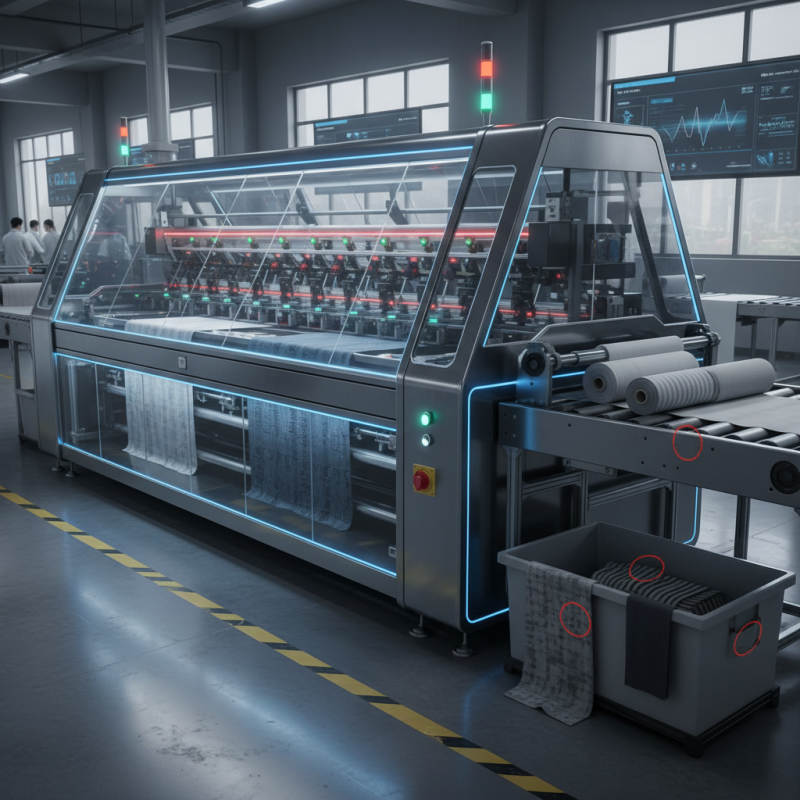
In 2026, the landscape of automatic fabric inspection machines has evolved significantly. These machines now offer unparalleled precision in detecting fabric defects. The use of advanced imaging technology allows for intricate details to be analyzed in real-time. Patterns, colors, and textures are thoroughly inspected under varying light conditions, providing a comprehensive overview of fabric quality.
While these machines boast impressive capabilities, challenges remain. Calibration issues can arise, affecting accuracy. Moreover, some models struggle with specific fabric types, leading to inconsistent results. It's essential to recognize these limitations. Inspectors still play a vital role in verifying machine findings. Human judgment complements machine efficiency, ensuring a balance between technology and expertise.
The ergonomic design of new machines enhances user experience. Operators can access controls with ease. However, as complexity increases, training for staff becomes crucial. Understanding how to interpret machine data is necessary for effective quality control. This evolving technology presents both opportunities and hurdles, prompting an ongoing discussion about the future of fabric inspection.
Key Features of Advanced Fabric Inspection Technologies
Automatic fabric inspection machines have significantly transformed the textile industry. These machines utilize advanced technologies to enhance efficiency and precision. High-resolution cameras are integral to these systems. They capture detailed images, enabling accurate defect detection.
Key features of modern fabric inspection technologies include real-time feedback. This allows operators to address issues immediately, preventing production delays. Automated defect classification is another valuable aspect. It helps in quantifying and categorizing defects for quality control.
Tip: Regularly update machine software to ensure optimal performance.
Another important feature is the ability to handle various fabric types. Some machines can inspect knit, woven, and non-woven fabrics. This versatility makes them essential in diverse production lines. User-friendly interfaces enhance usability as well. However, operators must be trained adequately to maximize these benefits.
Tip: Conduct periodic training sessions for staff to improve efficiency.
Despite these advancements, challenges remain. Machines may struggle with complex patterns or textures. Failing to adapt can lead to missed defects, affecting quality. It’s crucial to reflect on these limitations and explore solutions continually.
2026 Best Automatic Fabric Inspection Machine Features Explained
| Feature |
Description |
Benefit |
| High Precision Sensors |
Utilizes advanced sensor technology to detect fabric defects with high accuracy. |
Reduces waste and improves overall quality of fabric production. |
| Real-Time Data Processing |
Processes data on-the-fly to provide immediate feedback and adjustments. |
Enhances efficiency by allowing instant corrective actions during inspection. |
| AI-Powered Defect Detection |
Employs machine learning algorithms to identify unique defects that traditional methods may miss. |
Increases the ability to detect nuanced issues, improving overall fabric integrity. |
| User-Friendly Interface |
Features an intuitive touch-screen interface for ease of operation. |
Reduces training time and operational complexity for staff. |
| Versatile Fabric Compatibility |
Can inspect a wide range of fabric types and compositions seamlessly. |
Offers flexibility for diverse production lines and products. |
Importance of Optical Inspection Systems in Quality Control
Optical inspection systems have become crucial in quality control processes. These systems utilize advanced imaging technology to identify defects in fabric. A recent study indicates that over 70% of production waste is due to undetected flaws. Human inspectors may overlook minor issues, but machines can analyze fabrics with higher accuracy.
The integration of automation in textile inspection can significantly enhance production efficiency. Reports show that automated systems can increase inspection speed by 50%. They also reduce the likelihood of human error, which can lead to costly recalls. However, the reliance on technology raises concerns. Not all systems are perfect. Some may struggle with complex patterns or subtle color variations. This limitation forces manufacturers to balance between automation and human oversight.
Investing in optical inspection is essential but not foolproof. While these systems offer efficiency and precision, they require skilled operators to oversee their functions. Continuous improvement efforts are necessary. Manufacturers must regularly evaluate their inspection systems to ensure they meet evolving quality standards. Ultimately, the goal is to blend human insight with technological advancements for optimal results.
Integration of AI in Fabric Inspection Machines
The integration of AI in fabric inspection machines represents a pivotal advancement in textile manufacturing. Recent industry reports illustrate that up to 70% of textile defects can be identified using these automated systems. The technology utilizes deep learning algorithms to detect faults with remarkable precision, significantly reducing human error. This enhancement in accuracy translates to higher quality fabrics and fewer returns.
AI can classify defects in real-time, enabling manufacturers to maintain production flow. This capability not only streamlines operations but also improves overall efficiency. A recent study indicated a potential cost reduction of 30% in quality control processes when using AI-powered machines. However, reliance on AI does prompt questions about technology failures. Insufficient data can lead to misclassification of defects, thereby impacting fabric quality.
Tips: Regularly update the AI system with new data sets. This practice can help in maintaining the accuracy and adaptability of the inspection process. Train staff to understand AI limitations to minimize risks. Balancing machine capabilities with human oversight is crucial. Robotics may enhance productivity, but they are not infallible. Adopting a hybrid approach could yield better outcomes.
Future Trends in Automatic Fabric Inspection Solutions
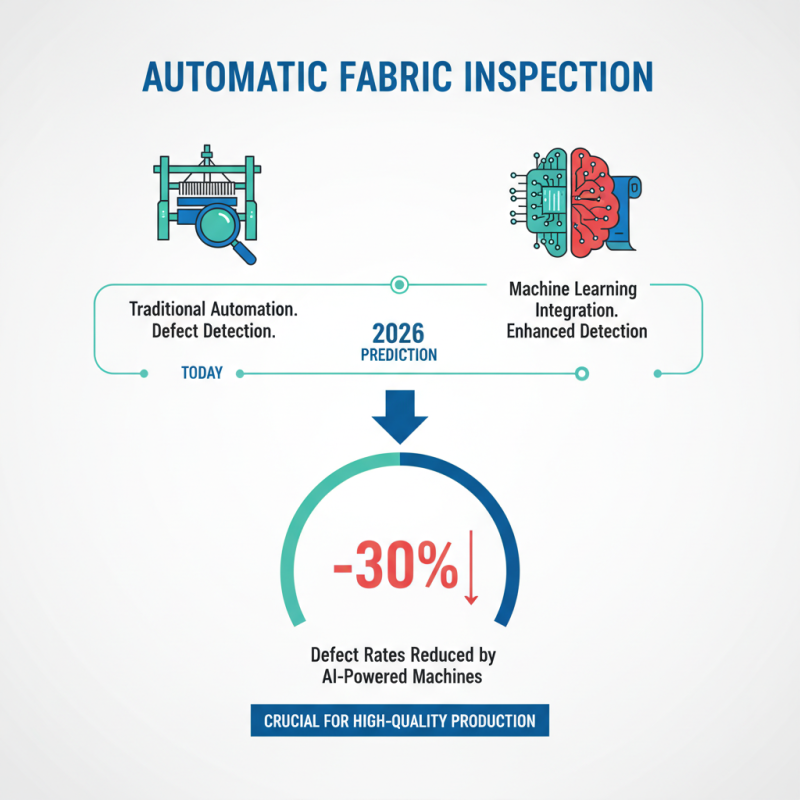
The landscape of automatic fabric inspection is changing rapidly. By 2026, experts predict a surge in machine learning integration. This advancement will enhance defect detection capabilities significantly. According to a recent industry report, machines with AI capabilities can reduce defect rates by over 30%. This precision is crucial for high-quality fabric production.
Emerging technologies will drive future trends. More manufacturers are expected to adopt IoT connectivity. This feature allows machines to monitor and report data efficiently. However, challenges remain. Many factories still rely on outdated inspection methods. This can lead to inconsistencies and missed defects. The transition to automated systems may face resistance from workers concerned about job security.
Sustainability will also influence automatic inspection solutions. Reports indicate that eco-friendly materials are on the rise. As demand grows, inspection machines must adapt. They need to handle diverse fiber types effectively. This adaptability will be vital. Yet, achieving this balance poses ongoing difficulties for developers. Continuous improvement and innovation are essential to meet industry needs.